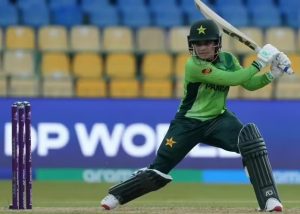
The ICC Women’s T20 World Cup has given us some of cricket’s best moments.
Since starting in 2009, it’s put women’s cricket on the global map.
Crowds keep growing. Competition gets fiercer. Players become superstars.
Australia’s name appears on the trophy six times. That’s dominance you can’t ignore.
But other teams have broken through, too.
England started it all in 2009. West Indies shocked everyone in 2016. New Zealand finally got theirs in 2024.
Each tournament brings something new. The 2026 edition in England and Wales will feature 12 teams for the first time.
Contents
- 1 ICC Women’s T20 World Cup Winners List
- 1.1 ICC Women’s T20 World Cup Winners List: The Full Record
- 1.2 The 2009 Beginning
- 1.3 Growth Through Format Changes
- 1.4 Most Successful Teams in ICC Women’s T20 World Cup
- 1.5 Finals That Made History
- 1.6 2026 Tournament Preview
- 1.7 Expert Insight: Tournament Expansion Benefits
- 1.8 Where To Find Complete Records?
- 1.9 FAQs
- 1.10 Women’s Cricket’s Flagship Event
ICC Women’s T20 World Cup Winners List

That’s a big jump from the 8 teams that played in 2009. Women’s cricket keeps pushing forward.
ICC Women’s T20 World Cup Winners List: The Full Record
Looking at the complete ICC Women’s T20 World Cup winners list shows you how the tournament has grown.
Here’s every final result since 2009.
| Year | Champion | Victory Margin | Opponent | Location |
|---|---|---|---|---|
| 2024 | New Zealand | 32 runs | South Africa | United Arab Emirates |
| 2023 | Australia | 19 runs | South Africa | South Africa |
| 2020 | Australia | 85 runs | India | Australia |
| 2018 | Australia | 8 wickets | England | West Indies |
| 2016 | West Indies | 8 wickets | Australia | India |
| 2014 | Australia | 6 wickets | England | Bangladesh |
| 2012 | Australia | 4 runs | England | Sri Lanka |
| 2010 | Australia | 3 runs | New Zealand | West Indies |
| 2009 | England | 4 wickets | New Zealand | England |
New Zealand’s 2024 win was clinical. They posted a strong total and then defended it with smart bowling.
South Africa fought hard but fell 32 runs short. That complete team performance is what wins World Cups.
The 2009 Beginning
England 2009 changed everything for women’s cricket. The first ICC Women’s T20 World Cup ran alongside the men’s tournament.
It gave female cricketers their own world championship stage.
Eight teams competed in that first edition. The format was straightforward but effective. Group matches decided who reached the knockouts.
England won the final against New Zealand on home soil. Charlotte Edwards led brilliantly with both bat and captaincy skills.
That tournament proved something important. Women’s T20 cricket could entertain just as much as any other format.
Fast scoring, tight matches, pressure moments. Everything clicked. Fans responded, and the tournament had a future.
Growth Through Format Changes
The competition hasn’t stood still since 2009. Rules evolved to make matches more exciting. Super overs arrived to settle tied games.
Powerplay restrictions changed batting strategies. Teams had to adapt or fall behind.
Expansion brought more nations into the mix. The tournament grew from 8 teams to 10, and now 12 for 2026.
More countries mean more investment in women’s cricket programs. That raises standards across the board.
Each rule change brought tactical shifts. Middle overs became crucial for spin bowling.
Death bowling turned into a specialized skill. Field settings got more creative.
The cricket improved because the format kept challenging teams to innovate.
Most Successful Teams in ICC Women’s T20 World Cup
Australia dominates every discussion about ICC Womens T20 World Cup winners list all editions. Six titles from nine attempts is extraordinary. Nobody else comes close to that record.
| Country | Total Titles |
|---|---|
| Australia | 6 |
| New Zealand | 1 |
| West Indies | 1 |
| England | 1 |
Australia claimed titles in 2010, 2012, 2014, 2018, 2020, and 2023. Stars like Meg Lanning, Ellyse Perry, and Alyssa Healy became legends through these wins.
They deliver when pressure is at its peak. That consistency separates champions from also-rans.
England opened the tournament’s history with their 2009 victory. West Indies produced a stunning upset in 2016 at Eden Gardens.
Hayley Matthews and Stafanie Taylor played match-winning cricket against Australia. New Zealand broke through in 2024 after years of near misses.
Tactical View: Australia’s Championship DNA
Australia doesn’t win six titles by accident. They’ve built something special.
The 2012 final against England shows their mental strength perfectly.
Winning by just 4 runs means holding your nerve when everything’s on the line.
England needed 5 runs from the final over. Most teams would crack under that kind of pressure.
Australia’s bowlers stayed focused and executed their plans. That composure in crucial moments defines champions.
Their player development system works too. Young cricketers come through ready to perform at the highest level.
There’s no drop-off when veterans retire. That continuity keeps them winning year after year.
Finals That Made History
Certain matches live forever in cricket memory. The 2020 final at the MCG drew 86,174 fans.
That remains the record crowd for any women’s cricket match. Australia crushed India by 85 runs, but the atmosphere made it special.
West Indies’ 2016 final win stands out as the tournament’s biggest shock. They weren’t supposed to beat Australia in Kolkata.
But they chased down the target with 8 wickets in hand. That fearless performance changed perceptions about Caribbean women’s cricket.
India’s 2018 semi-final victory over Australia was huge. They won by 48 runs and looked unstoppable doing it.
The tournament didn’t end with a title, but that match proved India belonged among the elite teams.
The 2010 final delivered pure tension. Australia beat New Zealand by just 3 runs. Both teams left everything on the field.
Australia had slightly more in crucial moments, and that made all the difference.
2026 Tournament Preview
England and Wales will host the ICC Women’s T20 World Cup 2026 from June 12 to July 5.
This edition brings the tournament’s biggest change yet. Twelve teams are competing instead of the usual 10.
The format divides 12 teams into two groups of six. Each team plays five group matches.
Top two from each group advance to the semi-finals. The final takes place at Edgbaston, one of England’s most famous cricket grounds.
Warm-up matches happen at Sophia Gardens in Cardiff, Derby, and Loughborough. Teams need those practice games.
English conditions are different. The ball swings more. Pitches behave differently. Getting adjusted before the tournament starts matters.
Teams Ready To Challenge
Australia remains the favorite despite missing 2024. They have championship experience and world-class players.
Meg Lanning and Ellyse Perry can take matches away from opponents in just a few overs.
England gets home advantage. They know these pitches perfectly.
India’s explosive young batting lineup with Shafali Verma and Richa Ghosh can dominate any bowling attack. Both nations have realistic championship hopes.
South Africa reached back-to-back finals in 2023 and 2024. They’re close to breaking through.
New Zealand arrives as defending champions with confidence high. Scotland enters as the dangerous underdog. They’re new but hungry.
Stars Worth Watching
Sophie Devine makes batting look effortless when she’s hitting boundaries. Her power game draws fans to stadiums. She plays the kind of cricket people pay to watch.
West Indies brings something special to every match. Their energy and joy are infectious. They celebrate like no other team. That approach to cricket wins hearts worldwide.
Bismah Maroof from Pakistan earned respect through strong leadership during tough times. Rising stars like Amelia Kerr and Richa Ghosh show where women’s cricket is headed. They play without fear or hesitation.
Expert Insight: Tournament Expansion Benefits
Growing to 12 teams matters for more than just numbers. Emerging cricket nations get valuable tournament experience.
That exposure helps build sustainable programs at home.
More matches generate more revenue, too. Broadcasters pay for content. Sponsors want visibility.
That money flows back into women’s cricket development globally. Everyone wins when the tournament expands.
Quality stays high because qualification remains competitive. Only the best teams make it through.
So you get more matches without dropping standards. Each game should deliver competitive cricket.
Where To Find Complete Records?
The T20 Women’s World Cup winners list PDF is available on official cricket websites.
The ICC maintains comprehensive records of every match, scorecard, and statistic from all editions.
Finding the ICC Women’s T20 World Cup winners list from 2009 to 2025 online is straightforward.
Digital archives include match videos, detailed scorecards, and expert analysis.
That accessibility helps fans and researchers understand how women’s cricket evolved.
Major cricket boards maintain their own archives, too.
These resources make historical research simple for anyone interested in the tournament’s development over time.
FAQs
- Who has the highest T20 partnership in women’s cricket?
Suzie Bates and Sophie Devine of New Zealand hold the record with an 182-run partnership against South Africa in 2018.
- Who has the highest score in women’s T20?
Alyssa Healy of Australia holds the record with 148 not out against Sri Lanka in 2019.
- Who scored the most runs in the women’s T20 World Cup?
Meg Lanning of Australia is the leading run-scorer in T20 World Cup history.
- Who has the most women’s T20 hundreds?
Suzie Bates, Meg Lanning, and Deandra Dottin each have 3 T20I centuries in women’s cricket.
- How many times has Pakistan won the Women’s World Cup?
Pakistan has not won the Women’s T20 World Cup. Their best performance was reaching the semi-finals in 2018.
Women’s Cricket’s Flagship Event
The ICC Women’s T20 World Cup has exceeded early expectations.
Growing from 8 teams in 2009 to 12 in 2026 shows real momentum.
More nations invest in women’s cricket because this tournament gives them something to aim for.
Australia’s six championships demonstrate sustained excellence.
But competition is tightening. New Zealand’s 2024 breakthrough proves the gap is closing.
That uncertainty makes future tournaments more exciting for fans.
The 2026 edition promises to be the best yet.
Historic venues, passionate crowds, and strong competition from 12 teams.
Women’s cricket has earned this spotlight, and the tournament delivers every time.
Also Check: