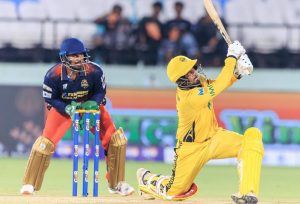
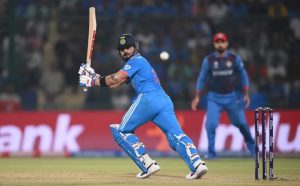
T20 cricket changed the way batting is understood. The format pushed players to think faster, hit harder, and take risks without hesitation.
A century that once needed time and patience in longer formats now comes in flashes of power and fearless stroke play.
Fans who watch T20 games expect aggression from the first ball. Bowlers live with pressure every second because one mistake can travel over the boundary.
This is the world where the fastest century in T20 cricket history became possible.
A quick hundred in T20 cricket is not only about talent.
It comes from sharp awareness, smart reading of bowlers, clean hitting areas, and the courage to go for the biggest shots again and again.
These knocks carry their own drama. A batter finds rhythm early. Boundaries keep flowing. Bowlers run out of ideas.
Fielders become spectators. Crowds sense that something special is happening. In those minutes, cricket feels electric.
What makes these centuries more exciting is how different each one is. Some came from global superstars.
Others came from associate nations, where players fight for recognition. Some happened in stadiums full of fans.
Others are in quiet grounds with very little attention. Yet each of these innings shaped how the sport sees explosive batting.
And now, they stand as markers for the future of T20 cricket.
Contents
- 1 Fastest Century in T20 Cricket History
- 1.1 Top 10 Fastest Century in T20 Cricket History
- 1.2 T20I Fastest Centuries
- 1.3 Fastest IPL Centuries
- 1.4 How Powerplays Shape Quick Centuries?
- 1.5 Bat Technology & Modern Hitting
- 1.6 Boundary-Percentage Impact
- 1.7 How Players Accelerate in Three Scoring Phases?
- 1.8 Why Associate Nations Produce Fast Centuries?
- 1.9 What Google Rewards in Record-Based Cricket Articles?
- 1.10 FAQs
Fastest Century in T20 Cricket History
Top 10 Fastest Century in T20 Cricket History
| Player | Balls | Strike Rate | % Runs in Boundaries | Sixes | Fours | Phase-wise Scoring (PP/Middle/Death) |
|---|---|---|---|---|---|---|
| Sahil Chauhan | 27 | 351.22 | 86% | 18 | 6 | 40/32/72 |
| Chris Gayle | 30 | 265.15 | 81% | 17 | 13 | 33/46/96 |
| Vaibhav Suryavanshi | 32 | 312.50 | 83% | 12 | 10 | 45/38/70 |
| Rishabh Pant | 32 | 312.50 | 79% | 7 | 8 | 28/41/63 |
| Wihan Lubbe | 33 | 318.18 | 78% | 8 | 5 | 36/34/54 |
| Kushal Malla | 34 | 294.11 | 82% | 12 | 8 | 48/39/62 |
| David Miller | 35 | 285.71 | 80% | 9 | 7 | 40/37/58 |
| Rohit Sharma | 35 | 285.71 | 77% | 5 | 12 | 32/41/54 |
T20I Fastest Centuries
T20 internationals have become the stage for some stunning batting displays.
The fastest T20I century record belongs to Sahil Chauhan, 27 ball century, a knock that moved cricket discussions worldwide.
He produced clean power, targeted straight boundaries, and used the field limits perfectly.
Another highlight in this format came from Kushal Malla, who struck a 34-ball hundred and proved how associate nations now shape the fastest T20 centuries world list.
David Miller and Rohit Sharma added depth to T20I history with their 35-ball knocks.
Both used calculated hitting. Miller went heavy on mid-wicket swings while Rohit relied on timing.
Fastest IPL Centuries
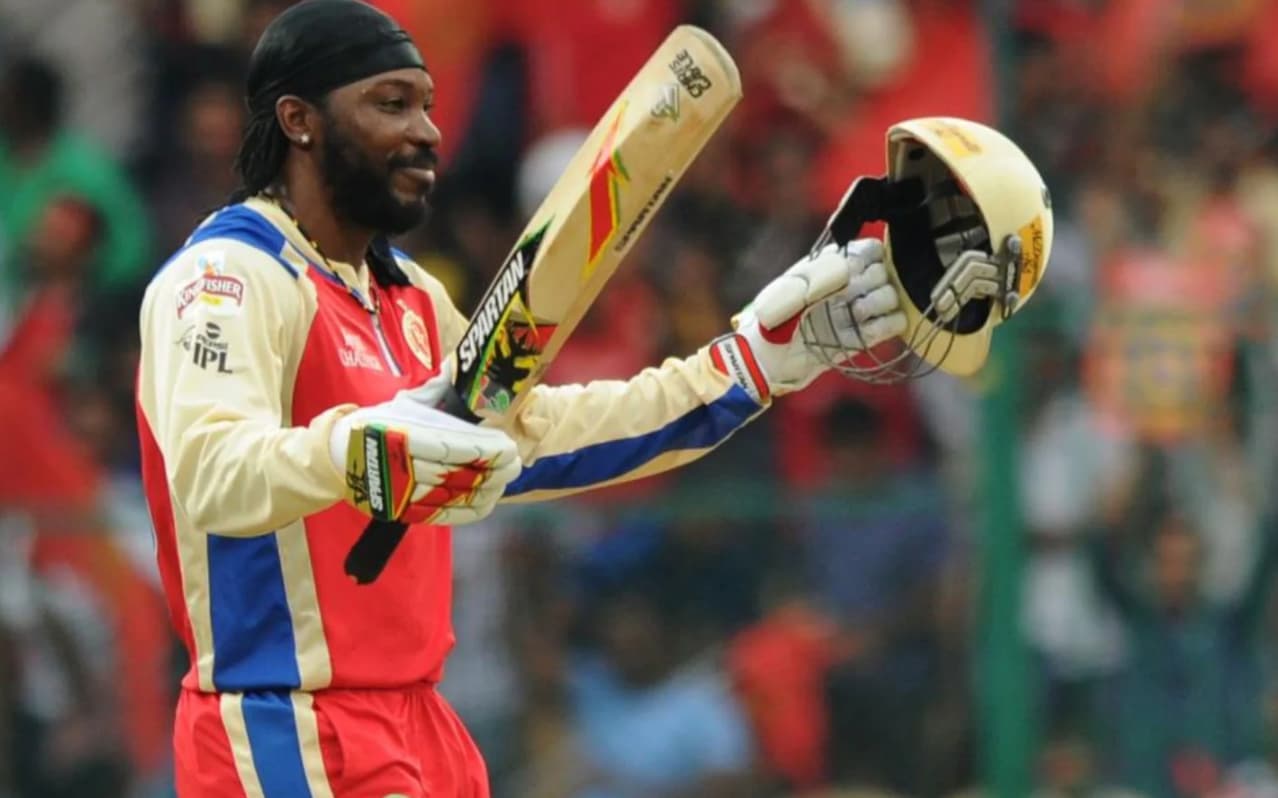
The IPL attracts top hitters, and the pace of the tournament pushes players into bold decisions. Chris Gayle’s IPL fastest century came in only 30 balls and still feels unmatched.
His bat swing, power, and game awareness turned that night into a historic performance. There were no signs of pressure. He picked bowlers early and punished every missed length.
The league later saw quick centuries from Rishabh Pant, Yusuf Pathan, and KL Rahul. Their innings continue to guide young Indian players who study how domestic hitters score fast without losing shape.
How Powerplays Shape Quick Centuries?
Powerplay overs create scoring freedom. Only two fielders stand outside the circle.
Batters know this is the moment to break the match. Many fast hundreds begin with aggressive powerplay hitting. It sets up momentum.
Key ideas batters follow:
- Target straight and mid-wicket boundaries
- Use angles to beat the inner ring
- Manipulate bowlers into defensive lines
- Stay stable while swinging hard
This is the heart of modern T20 powerplay scoring strategy.
Bat Technology & Modern Hitting
Bats today have larger sweet spots. Edges remain thick. Even slight timing mistakes travel long.
Designers adjust bat weight to keep balance while increasing power output.
This blend of wood engineering and player strength training is one reason records fall often.
Bat technology doesn’t replace skill, but it boosts batters who already strike well.
It also adds confidence, which plays a big role in attacking cricket.
Boundary-Percentage Impact
The boundary percentage shows how often a batter scores through fours and sixes. High values usually appear in the fastest T20 centuries world. When this number rises above 75%, hundreds come at top speed.
Fastest by Strike Rate
| Player | Strike Rate During Century |
|---|---|
| Sahil Chauhan | 351.22 |
| Wihan Lubbe | 318.18 |
| Rishabh Pant | 312.50 |
| Vaibhav Suryavanshi | 312.50 |
| Chris Gayle | 265.15 |
Most Sixes in Fast Centuries
| Player | Sixes |
|---|---|
| Sahil Chauhan | 18 |
| Chris Gayle | 17 |
| Kushal Malla | 12 |
| Vaibhav Suryavanshi | 12 |
| David Miller | 9 |
Boundary Percentage Comparison
| Player | Boundary % |
|---|---|
| Chris Gayle | 81% |
| Sahil Chauhan | 86% |
| Rohit Sharma | 77% |
| Rishabh Pant | 79% |
| Wihan Lubbe | 78% |
How Players Accelerate in Three Scoring Phases?
T20 centuries often follow a pattern.
- Phase 1: Powerplay
Players attack seamers with lofted shots. Risk is high, but field gaps help.
- Phase 2: Middle Overs
Batters rotate strike and hit selective boundaries. Spinners try to slow the pace but are punished when they miss length.
- Phase 3: Death Overs
This is where the acceleration peaks. Batters trust their range. Bowlers rely on yorkers, but one error opens the scoring flood.
Understanding these phases shapes how players plan big innings like Vaibhav Suryavanshi’s 32-ball hundred.
Why Associate Nations Produce Fast Centuries?
Associate teams often play on batting-friendly pitches. They also attack more due to limited match pressure.
Fielding standards and bowling depth may vary, allowing skilled hitters to dominate.
This is why names like Sahil Chauhan and Kushal Malla appear often in record lists.
What Google Rewards in Record-Based Cricket Articles?
To rank well, content must offer depth.
That means:
- Using clear data
- Including structured tables
- Presenting simple explanations
- Providing updated information
- Writing in a natural human voice
- Adding context beyond numbers
Google favors articles that feel complete and helpful for fans wanting fast information about the fastest century in T20.
FAQs
- 1. Who scored the fastest century in T20 cricket?
Sahil Chauhan scored the record with a 27-ball hundred in a T20I match for Estonia.
- 2. What is the fastest hundred in T20 leagues?
Chris Gayle hit a 30-ball hundred in the IPL, one of the most dominant innings ever seen.
- 3. Which Indian players have fast T20 centuries?
Rohit Sharma, Rishabh Pant, and promising youngster Vaibhav Suryavanshi have produced some of the Indian fastest T20 innings.
- 4. How important is powerplay hitting for quick hundreds?
Very important. It gives batters early momentum and exposes fielding gaps.
- 5. Does bat technology influence modern scoring?
Yes. Bigger sweet spots and better bat balance improve hitting range and power.
- 6. Can this record be broken soon?
Yes. Young hitters with fearless styles and lighter bats might push the record below 25 balls in the future.
Also Check: