Test cricket is often described as the purest form of the sport.
Played over five days, it demands patience, concentration, fitness, and tactical awareness from players.
Amid long hours of competition, scheduled intervals play an important role in maintaining the flow of the game.
One such interval is the Tea Break Time in Test Cricket.
While many fans know it as the second major break of the day, few understand its history, official duration, and strategic importance.
Whether you’re a new cricket fan or a seasoned follower of the game, understanding tea breaks offers a deeper appreciation of Test cricket’s unique traditions.
Contents
- 1 Tea Break Time in Test Cricket
- 1.1 What Is Tea Break Time in Test Cricket?
- 1.2 Tea Break Time Duration in Test Cricket
- 1.3 First Session
- 1.4 Lunch Break
- 1.5 Second Session
- 1.6 Tea Break
- 1.7 Final Session
- 1.8 The History Behind Tea Breaks in Test Cricket
- 1.9 Tea Break Time Rules in Modern Test Cricket
- 1.10 Why is Tea Break Time Important in Test Cricket?
- 1.11 Tea Breaks vs Breaks in Other Cricket Formats
- 1.12 Tea Breaks in Day-Night Test Matches
- 1.13 Cultural Significance of Tea Break Time
- 1.14 Memorable Tea Break Moments
- 1.15 FAQs
- 1.16 Conclusion:
Tea Break Time in Test Cricket
What Is Tea Break Time in Test Cricket?
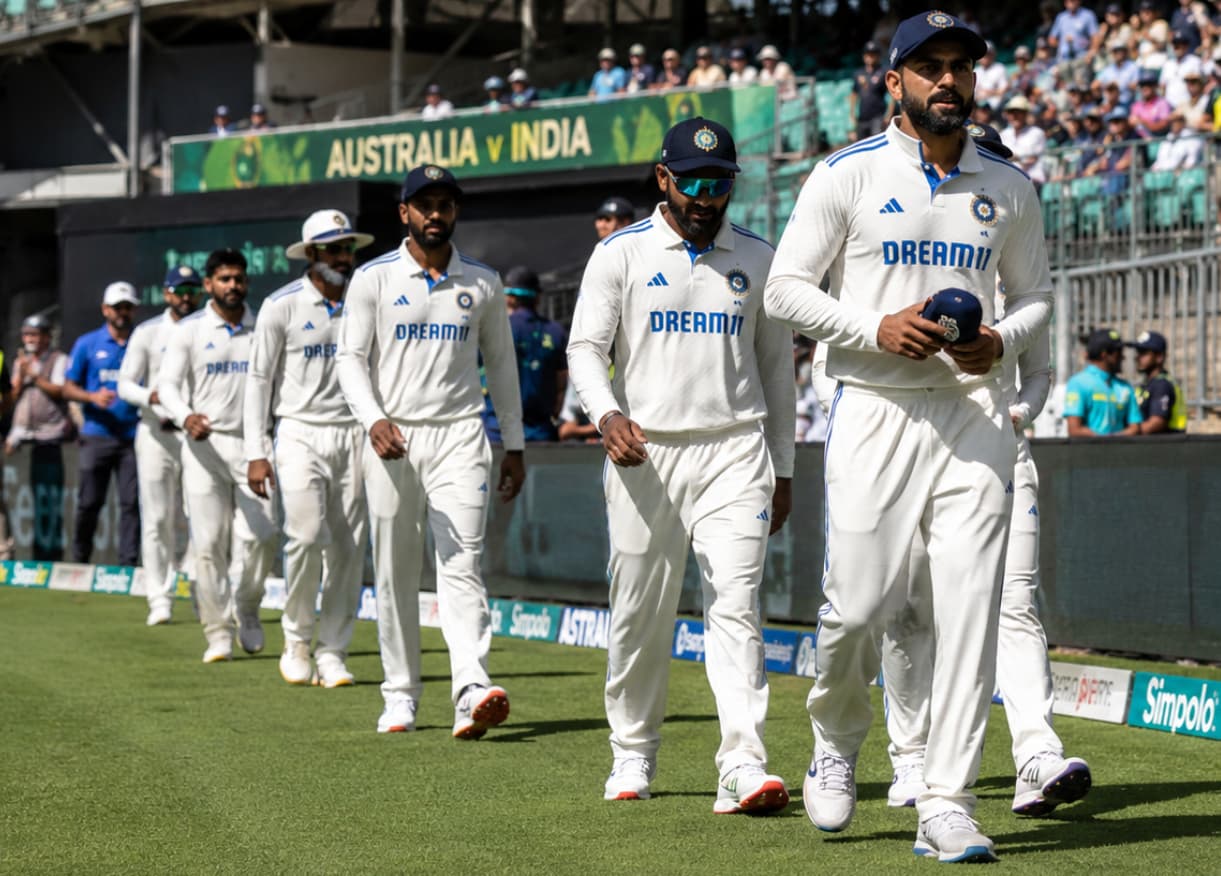
Tea break is the second scheduled interval during a day’s play in a Test match. It takes place after the second session and before the final session of the day.
The break allows players to:
- Rest and recover
- Rehydrate and refuel
- Discuss tactics and match situations
- Prepare mentally for the final session
For spectators and broadcasters, it provides a natural pause to review the day’s events and analyze the match situation.
Traditionally, players were served tea during this interval, which is how the break got its name.
Tea Break Time Duration in Test Cricket
The standard Tea Break Time Duration in Test Cricket is 20 minutes.
A typical Test match day is divided into three sessions:
First Session
- Usually lasts two hours
- Followed by a lunch break
Lunch Break
- Duration: 40 minutes
Second Session
- Usually lasts two hours
- Ends with the tea break
Tea Break
- Duration: 20 minutes
Final Session
- Continues until stumps (end of day’s play)
Although the 20-minute duration is standard, officials may adjust break timings if play has been interrupted by weather, bad light, or other delays.
The History Behind Tea Breaks in Test Cricket
Tea breaks have their origins in England, where cricket and afternoon tea became closely linked during the sport’s early development.
In the late nineteenth century, cricket matches often lasted all day and were physically demanding.
Tea was already a deeply rooted part of British culture, making it natural for players and officials to pause for refreshments during long matches.
Over time, this informal practice became an official part of cricket’s playing conditions.
The tea break remains one of the few traditions that connect modern Test cricket with its historical roots.
Despite changes in technology, broadcasting, and playing styles, tea intervals continue to be a familiar feature of the format.
Tea Break Time Rules in Modern Test Cricket
The Tea Break Time Rules are governed by the playing conditions set by the International Cricket Council (ICC).
Some key rules include:
- Scheduled Timing
Tea is generally taken after the second session of the day according to the match schedule.
- Delayed or Adjusted Breaks
If play is interrupted due to rain, poor light, or other circumstances, umpires can modify the timing of the tea interval.
- Session Extensions
In certain situations, umpires may delay the break slightly if a natural pause in play is approaching, such as the completion of an over or the fall of a wicket.
- Early Tea
Occasionally, tea may be taken earlier than scheduled if weather conditions threaten further play later in the day.
These adjustments help ensure that the match remains fair while maximizing playing time.
Why is Tea Break Time Important in Test Cricket?
Tea breaks are not simply about refreshments. They can have a significant influence on the course of a match.
- Physical Recovery
Test cricket can involve hours of fielding, batting, and concentration. A short break helps players regain energy before the final session.
- Tactical Discussions
Captains, coaches, and senior players often use tea breaks to reassess strategies.
Examples include:
- Planning bowling changes
- Adjusting field placements
- Discussing batting approaches
- Responding to changing pitch conditions
- Mental Reset
The final session can often decide the day’s momentum. Tea provides players with an opportunity to refocus and return with a clear mindset.
- Match Momentum
A team under pressure before tea may use the interval to regroup, while a dominant team may use it to strengthen its plans for the remainder of the day.
Tea Breaks vs Breaks in Other Cricket Formats
Tea breaks are unique to longer formats of cricket.
Test Cricket
- Lunch break: 40 minutes
- Tea break: 20 minutes
One Day Internationals (ODIs)
- Mid-innings break only
- Usually around 45 minutes
T20 Cricket
- One innings break
- Usually around 10 to 20 minutes, depending on competition rules
Because limited-overs matches are completed in a single day within a shorter timeframe, there is no need for traditional tea intervals.
This distinction is one of the many features that make Test cricket different from modern white-ball formats.
Tea Breaks in Day-Night Test Matches
The introduction of day-night Test matches brought changes to traditional scheduling.
Since these matches are played during the afternoon and evening hours, the timing of intervals is adjusted.
Typically:
- First break may occur in the late afternoon
- Second break is often referred to as a dinner break rather than a tea break
Although the name and timing may change, the purpose remains the same: giving players a chance to recover and prepare for the next session.
The adaptation allows cricket authorities to preserve the structure of Test matches while accommodating modern scheduling requirements.
Cultural Significance of Tea Break Time
Tea breaks have become part of cricket’s identity.
- England
As the birthplace of the tradition, tea remains closely associated with Test cricket culture.
- India
Many fans enjoy their own cup of chai during the interval while discussing the match with friends and family.
- Australia and Other Cricket Nations
Different venues may serve local refreshments, but the break itself remains a familiar part of the Test match experience.
The tradition creates a shared ritual that connects cricket followers across generations and countries.
Memorable Tea Break Moments
Throughout cricket history, tea breaks have often marked turning points in matches.
Teams have used the interval to:
- Change bowling strategies
- Rebuild after collapses
- Plan successful run chases
- Regain momentum after difficult sessions
While spectators rarely see these conversations, many famous comebacks and dramatic final sessions have been shaped by discussions held during tea.
FAQs
- How long is the tea break in Test cricket?
The standard tea break lasts 20 minutes.
- When does tea break occur in a Test match?
It usually takes place after the second session of the day and before the final session begins.
- Can tea break timings change?
Yes. Umpires can adjust the timing due to weather delays, poor light, or interruptions in play.
- Why is it called a tea break?
The tradition began in England, where tea was commonly served during breaks in long cricket matches.
- Is there a tea break in ODI or T20 cricket?
No. Limited-overs formats use a mid-innings interval instead of a traditional tea break.
- What happens during the tea break?
Players rest, receive refreshments, discuss tactics, and prepare for the final session of play.
Conclusion:
Tea Break Time in Test Cricket is far more than a 20-minute pause.
It is a tradition rooted in the game’s history, an important recovery period for players, and a valuable tactical opportunity for teams.
Even as cricket evolves with new formats and technologies, the tea break remains one of the defining features of Test cricket.
It reflects the format’s unique rhythm, where patience, strategy, and endurance are just as important as skill.
Also Check: