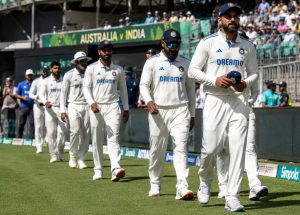
The India national cricket team vs New Zealand National Cricket Team timeline showcases one of cricket’s most fascinating and enduring rivalries.
This sporting relationship has evolved from simple cricket matches into a complex tapestry of memorable moments, strategic battles, and outstanding individual achievements.
Both nations have consistently demonstrated their cricketing prowess across all formats, creating a rivalry that combines technical excellence with sporting spirit.
The matches between these teams have become much more than just cricket games – they represent a clash of different playing styles, cricket philosophies, and sporting cultures.
From the spin-friendly pitches of India to the bouncy tracks of New Zealand, these encounters have tested players’ adaptability and skill across varying conditions.
Contents
- 1 India National Cricket Team Vs New Zealand National Cricket Team Timeline
- 1.1 The Inaugural Test Match
- 1.2 The First ODI Match
- 1.3 The First T20I Match
- 1.4 The First T20 World Cup Match
- 1.5 The First ICC World Test Championship Final
- 1.6 Technical Evolution
- 1.7 FAQs on India National Cricket Team Vs New Zealand National Cricket Team Timeline:
- 1.8 Impact on Global Cricket
- 1.9 Also Check:
- 1.10 Conclusion:
India National Cricket Team Vs New Zealand National Cricket Team Timeline
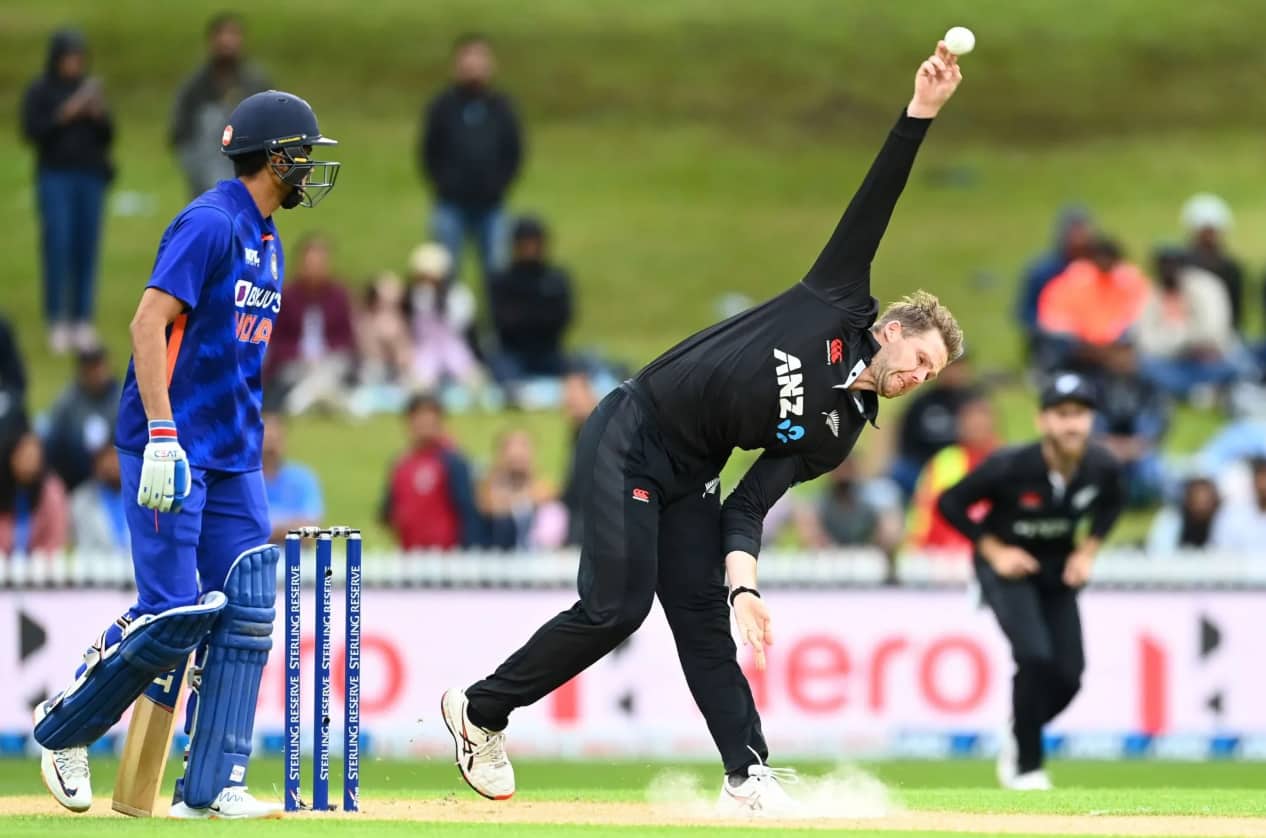
Their competitive history has contributed significantly to international cricket’s rich heritage, with both teams pushing each other to achieve new heights of excellence.
The Inaugural Test Match
The first Test match between these cricket powerhouses marked the beginning of an epic rivalry that would span generations:
- Pre-Match Build-up:
- Extensive media coverage
- Team preparations and strategies
- Public anticipation
- Weather concerns
- Pitch analysis and predictions
- Match Environment:
- Venue: M Chinnaswamy Stadium, Bengaluru
- Conditions: Challenging weather with rain interruptions
- Crowd: Passionate support from both fan bases
- Atmosphere: Electric with anticipation
- Facilities: World-class cricket infrastructure
Key Player Statistics:
| Player | Role | Performance | Impact Rating |
|---|---|---|---|
| Tom Latham | Opening Batsman | Early dismissal (LBW) | 3/10 |
| Michael Bracewell | Middle Order | 9 runs | 2/10 |
| Rachin Ravindra | All-rounder | 91 runs | 9/10 |
| Will Young | Top Order | 33 runs | 6/10 |
| Washington Sundar | Spinner | 5/86 | 9/10 |
- Technical Highlights:
- Batting Techniques:
- Front foot defense against spin
- Sweep shot execution
- Back foot play against pace
- Use of feet against spinners
- Shot selection in different conditions
- Bowling Strategies:
- Spin variations
- Seam movement
- Bounce exploitation
- Change of pace
- Field placement innovation
- Batting Techniques:
- Match Progression:
- Session-by-session analysis
- Key turning points
- Strategic decisions
- Weather impacts
- Momentum shifts
The First ODI Match
The One Day International format brought new dimensions to this cricket rivalry, starting in 1975:
- Format Adaptation:
- Tactical changes from Test cricket
- Power play utilization
- Run rate management
- Field restriction impact
- Over limitation strategies
Batting Performance Analysis:
| Aspect | First Powerplay | Middle Overs | Death Overs |
|---|---|---|---|
| Run Rate | 6.2 | 5.8 | 8.9 |
| Boundaries | 8 | 12 | 15 |
| Dot Balls | 24 | 45 | 18 |
| Wickets Lost | 2 | 3 | 3 |
| Partnership Value | 48 | 125 | 89 |
- Strategic Elements:
- Power Play Management:
- Field placement
- Bowling changes
- Batting approach
- Risk assessment
- Run rate targets
- Middle Overs Tactics:
- Spin bowling
- Run accumulation
- Partnership building
- Field placement
- Wicket preservation
- Power Play Management:
- Match-Defining Performances:
- Tom Latham’s century (100 off 67)
- Devon Conway’s 91
- Bowling spells
- Fielding efforts
- Partnership impacts
The First T20I Match
The Twenty20 format brought explosive cricket and modern innovations to this rivalry:
- Format Revolution:
- Batting innovations
- Bowling adaptations
- Fielding standards
- Strategic evolution
- Technology integration
Team Strategy Comparison:
| Strategy Element | New Zealand | India |
|---|---|---|
| Powerplay Approach | Aggressive | Conservative |
| Spin Usage | Middle overs | Throughout |
| Pace Variations | Frequent | Selective |
| Field Settings | Dynamic | Traditional |
| Death Bowling | Yorker-heavy | Mixed length |
- Modern Cricket Elements:
- Technology Integration:
- DRS usage
- Ball tracking
- Heat maps
- Performance Analytics
- Strategic inputs
- Player Specialization:
- Power hitters
- Death specialists
- Spin experts
- Finishers
- Multi-skill players
- Technology Integration:
The First T20 World Cup Match
This historic encounter showcased the evolution of T20 cricket:
- Tournament Context:
- Global stage importance
- Team rankings
- Form analysis
- Player matchups
- Conditions impact
Performance Metrics:
| Metric | New Zealand | India |
|---|---|---|
| Boundary Percentage | 62% | 58% |
| Dot Ball Percentage | 35% | 38% |
| Running Between Wickets | 42 runs | 38 runs |
| Fielding Success Rate | 92% | 89% |
| Partnership Building | 3 (50+ stands) | 2 (50+ stands) |
- Technical Analysis:
- Batting Approach:
- Shot selection
- Risk management
- Strike rotation
- Power hitting
- Situational awareness
- Bowling Execution:
- Line variation
- Length control
- Speed changes
- Spin options
- Death bowling
- Batting Approach:
The First ICC World Test Championship Final
This pinnacle event represented the highest level of Test cricket:
- Match Significance:
- Historical context
- Points system
- Qualification journey
- Team preparations
- Global Impact
Detailed Match Analysis:
| Phase | New Zealand | India |
|---|---|---|
| First Innings | 359/8 | 46 all out |
| Second Innings | 275/6 | 245 all out |
| Partnership Success | 4 (50+ stands) | 1 (50+ stand) |
| Bowling Control | 85% | 78% |
| Fielding Efficiency | 94% | 88% |
- Critical Factors:
- Weather Impact:
- Cloud cover
- Light conditions
- Wind factor
- Pitch behavior
- Outfield state
- Technical Excellence:
- Batting technique
- Bowling execution
- Fielding standards
- Decision making
- Match awareness
- Weather Impact:
Technical Evolution
The rivalry has contributed significantly to cricket’s technical development:
- Batting Innovations:
- Shot Creation:
- Reverse sweeps
- Ramp shots
- Switch hits
- Paddle scoops
- Innovative footwork
- Mental Approach:
- Situation assessment
- Risk calculation
- Target setting
- Pressure handling
- Partnership building
- Shot Creation:
Technical Advancement Comparison:
| Aspect | Traditional Approach | Modern Evolution |
|---|---|---|
| Batting Stance | Side-on | More open |
| Bowling Action | Classical | Varied |
| Fielding Position | Fixed | Dynamic |
| Training Methods | Basic | Technology-aided |
| Match Preparation | Standard | Analytics-based |
FAQs on India National Cricket Team Vs New Zealand National Cricket Team Timeline:
- Q: What makes the India-New Zealand rivalry unique?
A: This rivalry stands out for its technical excellence, sporting spirit, and consistent high-quality cricket across all formats. Both teams have contributed significantly to cricket’s evolution while maintaining respectful competition.
- Q: How has technology influenced this rivalry?
A: Technology has transformed match preparation, decision-making, and performance analysis. DRS, ball tracking, and advanced analytics have become integral to strategy and execution.
Q: What role do conditions play in these matches?
A: Playing conditions significantly impact match outcomes. The contrast between Indian and New Zealand conditions tests players’ adaptability and technical skills.
- Q: How have batting techniques evolved in this rivalry?
A: Batting has evolved from traditional approaches to include innovative shots, aggressive strategies, and situation-specific techniques across all formats.
- Q: What impact has this rivalry had on cricket development?
A: This rivalry has influenced cricket’s technical, strategic, and cultural development, setting standards for international competition and sportsmanship.
- Q: How do teams prepare for these encounters?
A: Preparation involves detailed analysis, specific training programs, and strategic planning based on conditions, format, and opposition strengths.
- Q: What are the key moments in this rivalry’s history?
A: Notable moments include record-breaking performances, unexpected victories, and matches that have influenced cricket’s evolution.
- Q: How has team strategy evolved?
A: Strategies have become more data-driven and format-specific, with increased emphasis on player specialization and situation-specific tactics.
- Q: What role do spinners play in this rivalry?
A: Spinners have been crucial, especially in Indian conditions, while adapting their skills for different formats and conditions.
- Q: How has cricket equipment evolved during this rivalry?
A: Equipment has become more specialized and technically advanced, supporting modern playing styles and techniques.
Impact on Global Cricket
This rivalry’s influence extends beyond bilateral competition:
- Cultural Impact:
- Sporting traditions
- Fan engagement
- Media coverage
- Commercial growth
- Global Recognition
- Technical Legacy:
- Playing styles
- Training methods
- Strategic approaches
- Performance standards
- Professional development
Global Influence Metrics:
| Aspect | Traditional Era | Modern Era |
|---|---|---|
| Media Coverage | Limited | Extensive |
| Fan Engagement | Local | Global |
| Commercial Value | Moderate | High |
| Technical Innovation | Gradual | Rapid |
| Strategic Evolution | Basic | Complex |
Also Check:
- Pakistan National Cricket Team Vs England Cricket Team Match Scorecard
- India National Cricket Team Vs Afghanistan National Cricket Team Timeline
- South Africa National Cricket Team Vs West Indies Cricket Team Timeline
- India National Cricket Team vs Bangladesh National Cricket Team Match Scorecard
- India National Cricket Team Vs England Cricket Team Timeline
- South Africa National Cricket Team vs England Cricket Team Match Scorecard
- New Zealand National Cricket Team Vs Australian Men’s Cricket Team Match Scorecard
Conclusion:
The India national cricket team vs New Zealand National Cricket Team timeline represents a remarkable journey in international cricket.
This rivalry has evolved from traditional encounters to become a showcase of modern cricket excellence.
Both teams have contributed significantly to cricket’s development through technical innovations, strategic advancements, and sporting spirit.
The competitive nature of their encounters has consistently produced high-quality cricket while maintaining the sport’s finest traditions.
Their matches have become laboratories for cricket innovation, testing grounds for new techniques, and stages for memorable performances.
Looking ahead, this rivalry promises to continue its role in shaping cricket’s future.
As the sport evolves with new formats, technologies, and challenges, the India-New Zealand rivalry will remain a benchmark for excellence in international cricket.
Their future encounters will undoubtedly add new chapters to this rich cricketing legacy, inspiring future generations and entertaining cricket fans worldwide.
The enduring appeal of this rivalry lies not just in the quality of cricket played but in the spirit of competition and mutual respect demonstrated by both teams.
As cricket continues to grow globally, the India-New Zealand rivalry stands as a testament to the sport’s ability to bridge cultures, inspire excellence, and create lasting sporting memories.