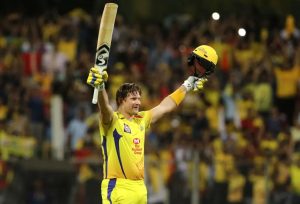
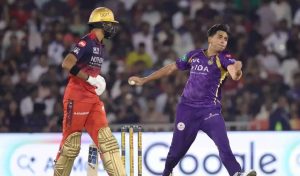
Sunrisers Hyderabad doesn’t play cricket like other IPL teams. They chase 230 without hesitation. They post 250 and still lose.
They open batting with bowlers sometimes.
This fearless approach reflects the ownership. SRH team owner Kavya Maran backs strategies that entertain first, win second.
She can afford this philosophy because her family’s fortune runs deep.
The SUN Group, controlled by her father Kalanithi Maran, owns SRH through Sun TV Network Limited.
This media conglomerate generates billions from television broadcasting across South India.
The cricket franchise represents one small piece of a massive empire.
Kavya manages SRH daily, while unlimited capital from the family business removes financial constraints.
This combination created a unique franchise culture where bold experiments trump conservative cricket.
Contents
- 1 SRH Team Owner
- 1.1 Who Actually Owns Sunrisers Hyderabad?
- 1.2 Kavya Maran: Face of the Franchise
- 1.3 The SUN Group: Building a Billion-Dollar Empire
- 1.4 How Much Is SRH Worth?
- 1.5 Media Thinking Shapes Cricket Strategy
- 1.6 SRH’s Evolution: Conservative to Aggressive
- 1.7 What Makes This Franchise Different?
- 1.8 FAQs
- 1.9 Conclusion:
- 1.10 Final Verdict:
SRH Team Owner
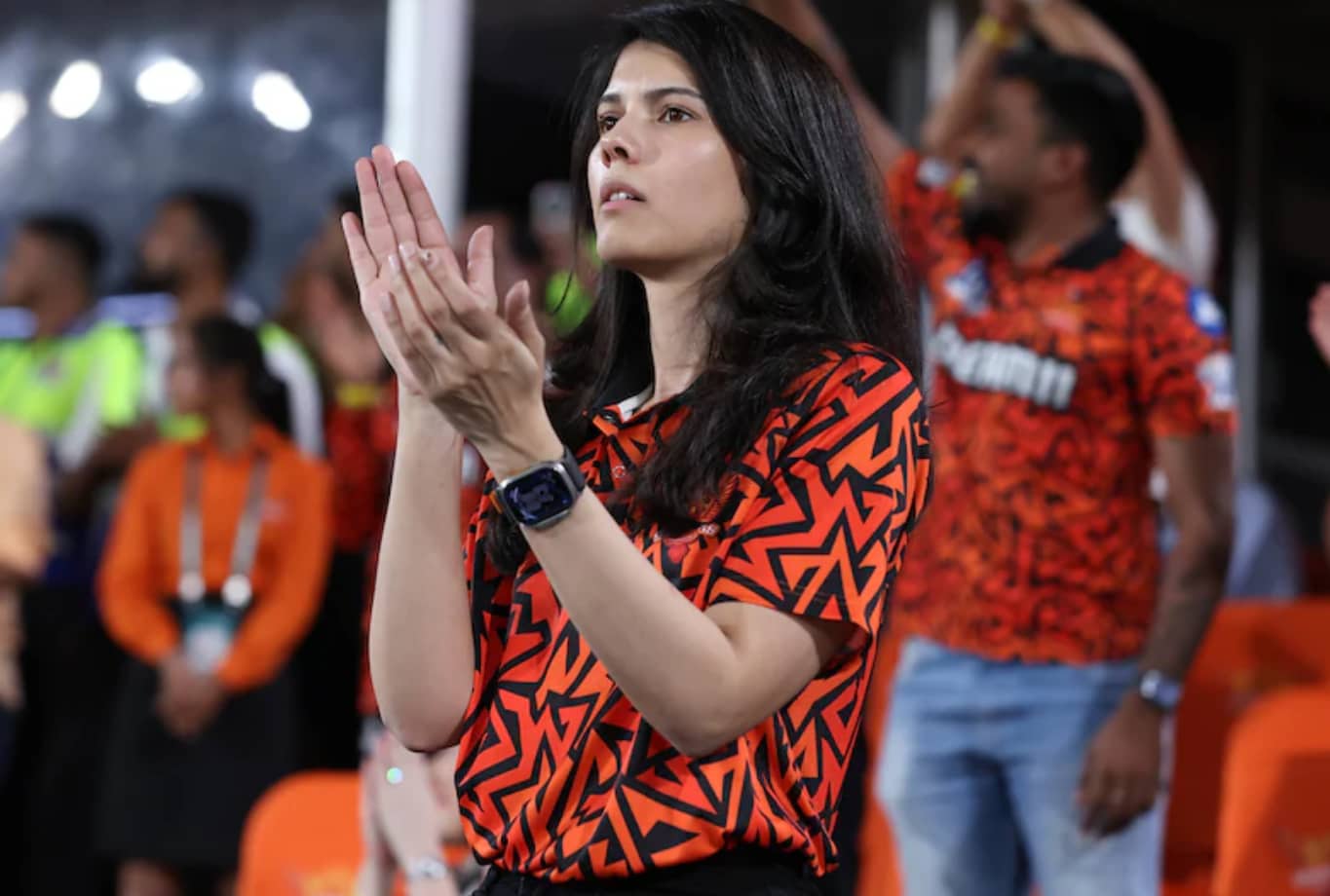
This article reveals the ownership structure, traces the Maran family’s wealth origins, and explains how media industry thinking transformed SRH into IPL’s most entertaining team.
Who Actually Owns Sunrisers Hyderabad?
The SRH owner name appears differently depending on where you look. Official BCCI records list Sun TV Network Limited. Cricket fans know Kavya Maran. Both answers are correct.
Quick Answer: Sun TV Network Limited legally owns the franchise. This publicly traded company belongs to the SUN Group, founded by Kalanithi Maran. His daughter Kavya Maran serves as CEO and controls all cricket operations.
Here’s how the structure works:
- Level 1 – Legal Ownership: Sun TV Network Limited holds the franchise rights purchased in 2012 for $85 million. This company trades on Indian stock exchanges.
- Level 2 – Control: The SUN Group, a family-controlled media conglomerate, owns majority shares in Sun TV Network. Kalanithi Maran chairs this group.
- Level 3 – Operations: Kavya Maran runs day-to-day franchise management. She makes auction decisions, approves coaching appointments, and sets team strategy.
This layered approach keeps corporate ownership clean while giving family members operational freedom. Tax benefits and accounting clarity favor this structure over direct personal ownership.
When SRH bought the franchise in 2012, BCCI had just terminated Deccan Chargers for financial violations. The league needed a stable replacement immediately.
The SUN Group won the bid because they showed:
- Immediate liquidity (no financing needed)
- Proven business management track record
- Clean corporate structure
- Long-term commitment to Hyderabad
Multiple bidders competed, but the SUN Group’s media background and financial strength sealed the deal. They paid cash and started building immediately.
The SRH owner name 2026 hasn’t changed since that purchase. Kavya Maran represents the franchise at every major event, from auctions to trophy presentations.
Kavya Maran: Face of the Franchise
Search for SRH owner name girl, and you’ll find countless images of Kavya Maran at IPL auctions.
She’s become one of cricket’s most recognizable owners despite being younger than most franchise leaders.
Her path to cricket leadership started at Warwick Business School in the UK. She earned a business degree and returned to India, planning to join the family’s media operations.
Her father had other plans. He handed her the cricket franchise. Not as a figurehead. As the actual manager responsible for performance and profitability.
She was in her mid-twenties. Most IPL owners were established businessmen decades older. This made her stand out immediately.
Her auction style amplified attention. She doesn’t maintain a poker face. When SRH wins a crucial bid, she celebrates visibly.
When rivals outbid them, frustration shows. This authenticity connects with fans tired of corporate-speak.
Kavya Maran Instagram (@kavya_maran) reflects her selective public presence.
She posts rarely but strategically, mainly around major SRH announcements or campaigns. Each post generates millions of impressions.
The Kavya Maran husband question circulates constantly online. She has never addressed marriage or relationships publicly.
Her privacy on personal matters stays absolute while her cricket decisions remain completely transparent.
Her management philosophy differs from traditional owners. She trusts her coaches completely.
When Tom Moody (former coach) suggested building around aggressive batting, she backed it.
When the current coaching staff proposed ultra-aggressive strategies that risked embarrassing losses, she supported them anyway.
This trust creates a unique environment. Coaches experiment freely because ownership won’t second-guess strategic choices.
That freedom produced both SRH’s 2016 championship and some spectacular failures.
The Kavya Maran net worth is not disclosed publicly. She holds stakes in family businesses likely worth hundreds of millions through inheritance structures and company shareholdings.
But exact figures remain private, following the Tamil Nadu business families’ discretion tradition.
The SUN Group: Building a Billion-Dollar Empire
Understanding where the money comes from explains SRH’s operational freedom.
Kalanithi Maran founded Sun TV in 1993 when satellite broadcasting was new to India. Most networks chased Hindi-speaking audiences in North India. He targeted South Indian regional languages instead.
This strategy worked brilliantly. Sun TV became the dominant Tamil language broadcaster. Families across Tamil Nadu made it their primary channel.
Success funded expansion into other South Indian languages:
- Telugu Broadcasting: Gemini TV captured Andhra Pradesh and Telangana markets. These states have massive populations hungry for regional content.
- Malayalam Content: Surya TV dominated Kerala. The state’s high literacy rates and media consumption made it lucrative.
- Kannada Programming: Udaya TV captured Karnataka viewers, including Bangalore’s tech-savvy audience.
By 2000, the SUN Group controlled South Indian television. They didn’t just compete. They dominated.
Revenue streams multiplied:
- Advertisement sales on 33+ channels
- Cable operator subscription fees
- DTH service (Sun Direct) with 14 million subscribers
- Content licensing to streaming platforms
- Syndication rights for popular shows
The group tried aviation next. They bought controlling stakes in SpiceJet airline around 2010. Budget airlines seemed profitable on paper.
Reality hit hard. The airline lost money consistently. By 2015, the family sold their stake back to the original co-founder, Ajay Singh.
That exit reinforced a crucial lesson: stick to what you know. The media made billions. Airlines didn’t. When IPL franchises became available, cricket fit their expertise perfectly.
Sports broadcasting drives viewership. Owning a team meant controlling content creation.
The SUN Group understood content better than most IPL owners. They saw SRH as a long-term entertainment asset, not just a cricket team.
| SUN Group Asset | Reach/Scale | Primary Revenue |
|---|---|---|
| Sun TV Network | 95+ million households | Advertising, subscriptions |
| Sun Direct DTH | 14 million subscribers | Monthly subscription fees |
| Regional Channels | 33+ across 5 languages | Ad revenue, content deals |
| Dinakaran Newspaper | Tamil Nadu circulation | Print ads, subscriptions |
| Sunrisers Hyderabad | Pan-India cricket fans | Sponsorships, brand value |
The SRH team owner net worth question conflates two things. The franchise is worth $154 million. The Maran family fortune exceeds $2.5 billion total, mainly from Sun TV Network stock holdings.
How Much Is SRH Worth?
Brand valuation firms estimate SRH’s current value at approximately $154 million as of 2026. This represents significant growth from the $85 million purchase price in 2012.
That’s an 81% increase over 14 years. Not spectacular compared to the Mumbai Indians or Chennai Super Kings, but solid returns for a mid-tier franchise.
What drives this valuation?
- Championship History: The 2016 IPL title adds premium value. Winners command better sponsorship deals and higher merchandise margins.
- Playoff Consistency: Seven playoff appearances in 14 seasons demonstrate competitive stability. Sponsors prefer predictable visibility over volatile performance.
- Brand Recognition: SRH’s aggressive cricket style creates a distinct identity. Fans remember their 250+ score attempts even when they lose. This memorability translates to commercial value.
- Media Amplification: The SUN Group’s broadcasting network promotes SRH heavily during seasons. This free cross-promotion boosts brand reach beyond what ad spending alone could achieve.
- Social Media Strength: Millions of followers across platforms. Engagement rates rival teams with better win records. Digital presence drives modern valuations.
- Orange Army Fan Base: Loyal supporters travel to away matches and create viral moments. Fan passion attracts brands wanting to connect with engaged audiences.
Compare this to other franchises:
- Mumbai Indians: $200+ million (most valuable)
- Chennai Super Kings: $190+ million
- SRH: $154 million (middle tier)
- Newer franchises: $100-120 million range
The gap to top franchises exists, but SRH punches above its trophy count commercially. That reflects smart business management separate from cricket results.
Media Thinking Shapes Cricket Strategy
The SUN Group’s broadcasting background creates competitive advantages other franchises lack.
- Content Creation Expertise: SRH produces professional behind-the-scenes videos, player interviews, and training footage. This content gets millions of views and builds fan connections beyond match days.
- Cross-Platform Promotion: During IPL seasons, SUN Group’s TV channels run heavy SRH promotion. Commercials, player features, and match previews saturate their network. This free advertising is worth millions.
- Understanding Virality: Media professionals know what content spreads. SRH’s aggressive batting creates shareable highlights. Even losses at 240-250 generate social media buzz. This thinking influenced strategy adoption.
- Sponsor Relations: Years of selling TV advertising taught them how to package sports sponsorships attractively. SRH presents metrics and reach data that impress brands more than just win-loss records.
- Player Branding: The franchise helps cricketers build personal brands through media training and social media strategy. This attracts players wanting career development beyond salaries.
- Long-term Thinking: Broadcasters think in seasons and multi-year deals, not single matches. SRH’s willingness to accept short-term losses for brand-building reflects this perspective.
This media-first approach explains decisions that puzzle pure cricket analysts. Why post 250+ scores and risk big losses? Because viral moments from explosive batting drive engagement are more than grinding out low-scoring wins.
The strategy accepts that entertainment value sometimes exceeds winning percentages in commercial importance. Traditional cricket thinking prioritizes trophies. SRH thinks like content producers who want compelling narratives.
SRH’s Evolution: Conservative to Aggressive
- 2012-2015: The early years featured solid, conservative cricket. Good bowling, opportunistic batting. Playoffs but no title.
- 2016: Championship breakthrough. David Warner led aggressive batting. Bhuvneshwar Kumar and Mustafizur Rahman controlled the bowling. They chased 209 in the final against RCB. Ben Cutting’s cameo sealed the victory.
- 2017-2020: Consistent playoff appearances. Warner and Rashid Khan became franchise pillars. Close calls but no additional titles.
- 2021: Collapse. Finished last. David Warner dropped mid-season in controversial circumstances. The team learned hard lessons about star management.
- 2022-2023: Transition period. Kane Williamson captained, but the results disappointed. The franchise started questioning the conservative approach.
- 2024: Revolution. Pat Cummins appointed captain. The ultra-aggressive philosophy was fully implemented. SRH posted multiple 250+ totals. Reached the playoffs but lost in eliminator. Strategy established.
- 2025: Sixth place despite entertaining cricket. Aggressive batting thrilled fans, but inconsistent bowling cost matches.
- 2026: Ishan Kishan leads with Cummins injured. Opening loss to RCB (201/9 chased in 15.4 overs) showed both promise and problems. Batting posted a strong total, but bowlers couldn’t defend it.
This evolution traces SRH’s identity shift from conservative competitors to aggressive entertainers. Kavya Maran backed this transformation completely despite criticism and mixed results.
What Makes This Franchise Different?
Several factors separate SRH from other IPL teams:
- Ownership Structure: Family-controlled with clear operational authority. Kavya Maran makes decisions faster than corporate board-run franchises.
- Financial Backing: The SUN Group’s billions eliminate budget anxiety. SRH can bid freely at auctions without financial constraints.
- Media DNA: Broadcasting expertise shapes content strategy, digital presence, and brand building more professionally than most franchises.
- Risk Tolerance: Backing ultra-aggressive cricket despite criticism shows confidence in long-term brand strategy over short-term results.
- Youth Leadership: Kavya Maran’s age brings modern perspectives on social media, fan engagement, and brand evolution.
- Regional Focus: Strong connection to Hyderabad and Telangana markets through consistent presence and local player development.
- Player Freedom: Coaches and players get a license to experiment without constant owner interference in cricket decisions.
These advantages don’t guarantee championships but ensure franchise sustainability regardless of on-field performance. SRH can weather bad seasons financially while continuing to invest in team building.
FAQs
- Q: Who is the SRH team owner in 2026?
Sun TV Network Limited owns SRH legally. Kavya Maran, daughter of SUN Group chairman Kalanithi Maran, manages the franchise as CEO and makes all cricket decisions.
- Q: What is Kavya Maran’s Instagram ID?
Her Instagram handle is @kavya_maran. She posts occasionally, mainly about SRH campaigns and cricket content during IPL seasons.
- Q: Is Kavya Maran married?
Kavya Maran has not publicly disclosed information about marriage or relationships. She keeps personal matters private while remaining transparent about cricket decisions.
- Q: How much is SRH worth compared to other franchises?
SRH is valued at approximately $154 million (2026), placing it in the middle tier of IPL franchises. Mumbai Indians ($200M+) and Chennai Super Kings ($190M+) lead valuations.
- Q: Why does SRH play such aggressive cricket?
The strategy reflects the SUN Group’s media background. High-scoring matches create viral content and fan engagement, building brand value even without consistent winning. Kavya Maran backs this approach fully.
- Q: What businesses does the Maran family own besides SRH?
The family controls Sun TV Network (33+ channels), Sun Direct DTH service (14M subscribers), Dinakaran newspaper, and various radio stations. Combined wealth exceeds $2.5 billion.
Conclusion:
The SRH team owner identity runs through the Maran family across three levels. Sun TV Network Limited holds legal ownership. Kalanithi Maran’s SUN Group controls the parent company. Kavya Maran manages cricket operations.
This structure combines the SUN Group’s $3 billion media empire resources with Kavya’s hands-on leadership. The result is a $154 million franchise that plays cricket differently from competitors.
Their broadcasting background shaped a unique philosophy: entertainment creates engagement, engagement builds brands, brand value drives commercial success. Trophies help, but aren’t the only success metric.
SRH’s aggressive cricket reflects this thinking. High-scoring matches generate viral content. Bold experiments create discussion. Even spectacular failures become memorable moments that keep the franchise relevant.
Whether this approach delivers more championships remains uncertain. The 2016 title proved it can work. Recent seasons showed that entertainment doesn’t always equal trophies.
But Kavya Maran plays the long game. She’s building a brand that transcends individual seasons. With the SUN Group’s unlimited backing and smart media-savvy management, SRH will keep experimenting and occasionally winning.
The franchise represents where modern sports ownership is heading. Young leaders. Media-integrated thinking. Brand-building alongside trophy-chasing. Entertainment value as a legitimate business goal.
Whether you love or hate their approach, SRH changed IPL’s conversation about what franchise success means. That impact matters regardless of playoff results.
Final Verdict:
Get complete IPL 2026 coverage, including SRH match analysis, player updates, and franchise news. Follow for daily cricket updates throughout the season.