Here’s a reality check. Match fees don’t create millionaires.
Even the highest-paid cricketers earn only ₹7-17 crore per year from playing. That’s good money, but not enough to reach $100 million net worth.
The Richest Cricketer in the World 2025 made their real money off the field. They turned cricket fame into business empires.
Smart cricketers use their name recognition to launch brands, invest in companies, and build passive income streams. That’s how they stay wealthy decades after retirement.
Contents
- 1 Richest Cricketer in the World
- 1.1 Top 10 Richest Cricketers in the World 2025 – The Wealth List
- 1.2 Business Models Used by Rich Cricketers
- 1.3 How Each Rich Cricketer Built Their Business Empire?
- 1.4 Top 5 Richest Cricketer in the World 2025 – Business Comparison
- 1.5 What Young Cricketers Can Learn From the Rich Ones?
- 1.6 Money Management Tips From Top Cricketers
- 1.7 Conclusion: Cricket Opens Doors, Business Builds Wealth
Richest Cricketer in the World

This article explains exactly how the top 10 richest cricketers built their fortunes through business, not just batting and bowling.
Top 10 Richest Cricketers in the World 2025 – The Wealth List
Here’s the complete ranking of the Top 10 Richest Cricketer in the World 2025 and their primary wealth sources:
| Rank | Player | Net Worth | Cricket Income % | Business Income % |
|---|---|---|---|---|
| 1 | Sachin Tendulkar | $170 Million | 25% | 75% |
| 2 | MS Dhoni | $127 Million | 20% | 80% |
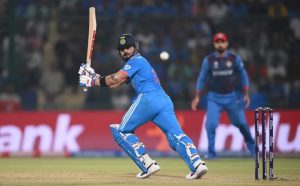
| 3 | Virat Kohli | $125 Million | 35% | 65% |
| 4 | Ricky Ponting | $70 Million | 30% | 70% |
| 5 | Brian Lara | $60 Million | 35% | 65% |
| 6 | Shane Warne | $50 Million | 25% | 75% |
| 7 | Jacques Kallis | $48 Million | 30% | 70% |
| 8 | Chris Gayle | $45 Million | 40% | 60% |
| 9 | Virender Sehwag | $40 Million | 25% | 75% |
| 10 | Shane Watson | $40 Million | 35% | 65% |
Notice something? Most wealth comes from business, not cricket. The wealthiest cricketers in the world earn 60-80% of their money from off-field ventures.
Business Models Used by Rich Cricketers
The World’s Most Richest Cricketers follow four main business models to build wealth after retirement.
Model 1: Brand Endorsements (Highest Income)
This is the easiest money for famous cricketers. Companies pay millions to use their face and name.
How It Works:
- Cricketers sign contracts with brands
- They appear in ads, social media posts, and events
- Payment ranges from ₹3-6 crore per brand
- Top players endorse 20-40 brands simultaneously
Real Examples:
- Sachin Tendulkar: BMW, Coca-Cola, Adidas, Unacademy (₹20-22 crore yearly)
- MS Dhoni: Pepsi, TVS, Dream11, Cars24 (30+ brands, ₹90-180 crore yearly)
- Virat Kohli: Puma, Audi, MRF (₹100+ crore yearly)
Why This Works: Brands need trust. Cricket fans trust their heroes. That trust transfers to products.
Model 2: Business Ownership (Long-term Wealth)
Smart cricketers launch their own companies. This creates wealth that grows even after they stop working.
Types of Businesses:
- Fashion and apparel brands
- Fitness centers and gyms
- Entertainment production companies
- Lifestyle products
Real Examples:
- MS Dhoni: SEVEN apparel, Dhoni Entertainment
- Virat Kohli: WROGN fashion, One8 lifestyle, Chisel gyms
- Ricky Ponting: Ponting Wines
- Shane Warne: Gin label, fragrance line
Why This Works: Ownership means you earn forever. Employees make a salary. Owners make a profit.
Model 3: Sports Franchise Investments (Passive Income)
The smartest wealth move is buying stakes in sports teams. These franchises increase in value every year.
How It Works:
- Buy ownership percentage in IPL, ISL, or other league teams
- Team value grows as league popularity increases
- Earn from team profits and eventual sale
Real Examples:
- MS Dhoni: Owns stakes in Chennai Super Kings and ISL teams
- Virat Kohli: Co-owns FC Goa in the Indian Super League
- Sachin Tendulkar: Invested in Kerala Blasters and other franchises
Why This Works: IPL team values jumped from ₹500 crore to ₹5,000+ crore in 15 years. Owners multiplied their money 10 times.
Model 4: Media and Commentary (Steady Income)
Retired cricketers become commentators, coaches, or cricket experts. This keeps them relevant and paid.
Income Sources:
- TV commentary for matches
- Coaching roles with IPL teams
- YouTube channels and social media
- Cricket academies
Real Examples:
- Ricky Ponting: Coaches Delhi Capitals, does commentary
- Virender Sehwag: Commentary and social media content
- Jacques Kallis: Coaching roles with multiple franchises
- Shane Warne: Commentary with major cricket networks (before death)
Why This Works: Cricket never stops. Commentators work 6-8 months yearly, earning crores without physical strain.
How Each Rich Cricketer Built Their Business Empire?
Let’s break down the exact business strategy of each player among the Top 20 richest cricketer in the world.
Sachin Tendulkar’s Investment Strategy
Total Wealth: $170 Million (₹1,411 Crore)
Business Breakdown:
- Endorsements: ₹20-22 crore annually (BMW, Coca-Cola, Adidas)
- Restaurant investments: Multiple stakes in food chains
- Tech startups: Invested in Indian technology companies
- Sports franchises: Kerala Blasters, other IPL-related investments
Success Secret: Sachin started investing in the 1990s. That 30-year compound growth created massive wealth. He also maintained brand partnerships for decades, not just years.
MS Dhoni’s Diversification Model
Total Wealth: $127 Million (₹1,050 Crore)
Business Breakdown:
- SEVEN apparel: Clothing brand generating ₹100+ crore yearly
- Dhoni Entertainment: Production house for shows and films
- Franchise ownership: CSK and ISL team stakes worth ₹500+ crore
- Endorsements: 30+ brands paying ₹3-6 crore each
Success Secret: Dhoni spread his money across different industries. Fashion, entertainment, sports, and endorsements. If one fails, others keep growing.
Virat Kohli’s Youth-Focused Brands
Total Wealth: $125 Million (₹1,040 Crore)
Business Breakdown:
- WROGN fashion: Youth clothing line
- One8 lifestyle: Premium lifestyle products
- Chisel gyms: Fitness centers across India
- Investments: Digit Insurance, World Bowling League
- FC Goa ownership: ISL team co-ownership
Success Secret: Virat targets young consumers aged 18-35. This demographic spends the most on fashion and fitness. Smart market selection.
Ricky Ponting’s Niche Business
Total Wealth: $70 Million (₹581 Crore)
Business Breakdown:
- Ponting Wines: Premium Australian wine company
- IPL coaching: ₹5-8 crore per season with Delhi Capitals
- Commentary: Major cricket broadcast deals
- Endorsements: Adidas, Kookaburra cricket gear
Success Secret: Ponting found a niche. Wine business targets high-income customers. Low competition, high profit margins.
Brian Lara’s Real Estate Play
Total Wealth: $60 Million (₹498 Crore)
Business Breakdown:
- Real estate portfolio: Luxury properties in Caribbean tourist areas
- Brian Lara Cricket Academy: Training facility generating steady income
- Endorsement deals: Limited but high-value partnerships
- Property rentals: High-end vacation properties
Success Secret: Lara invested in Caribbean real estate when prices were low. The tourist boom increased property values 5-10 times.
Other Notable Business Models
- Shane Warne ($50M): Diversified into unique businesses like gin labels and fragrances. Commentary work and Melbourne property investments added millions.
- Jacques Kallis ($48M): Coaching roles and sports management company. Cape Town real estate appreciated significantly.
- Chris Gayle ($45M): T20 leagues worldwide plus reggae music career. Universe Boss brand attracts unique endorsements.
- Virender Sehwag ($40M): Sehwag International School is his biggest asset. Commentary and social media monetization add a steady income.
- Shane Watson ($40M): IPL contracts and coaching. Safer investments in traditional businesses.
Top 5 Richest Cricketer in the World 2025 – Business Comparison
Here’s how the Top 5 Richest Cricketer in the World 2025 compare on business strategies:
| Player | Primary Business | Secondary Income | Risk Level | Growth Potential |
|---|---|---|---|---|
| Sachin | Endorsements + Investments | Franchises + Restaurants | Low | Stable |
| Dhoni | Franchise Ownership | SEVEN + Entertainment | Medium | High |
| Kohli | Fashion Brands | Gyms + Investments | Medium | Very High |
| Ponting | Coaching + Wine | Commentary | Low | Medium |
| Lara | Real Estate | Cricket Academy | Low | Medium |
Key Insights:
Dhoni and Kohli took higher risks with business ownership. That risk is paying off with faster wealth growth.
Sachin and Ponting played it safer with endorsements and established businesses. Their wealth grows steadily but more slowly.
Lara’s real estate strategy worked because of location and timing. Caribbean tourism boom multiplied his property values.
What Young Cricketers Can Learn From the Rich Ones?
The richest cricketer in the world, in rupees all followed similar wealth-building patterns. Here’s what today’s players should copy:
- Lesson 1: Start Investing Early
Sachin started in the 1990s. That 30-year growth created his $170 million fortune. Young cricketers should invest from their first contract.
- Lesson 2: Own Businesses, Don’t Just Endorse
Endorsements stop when you retire. Businesses keep paying. MS Dhoni’s SEVEN brand will earn money for decades.
- Lesson 3: Buy Sports Franchises
IPL team values increased 1000%. That’s better than stock market returns. Every cricketer should try to own franchise stakes.
- Lesson 4: Build Multiple Income Streams
Don’t depend on cricket alone. Have 5-10 different income sources. If one fails, others keep you wealthy.
- Lesson 5: Think Long-Term
The 2nd richest cricketer in the world (MS Dhoni) planned his business empire during his playing days. He didn’t wait until retirement.
- Lesson 6: Use Your Fame Wisely
Cricket fame lasts 10-15 years. Use that time to build brands that last 50 years. Your name is your biggest asset.
- Lesson 7: Invest in Growing Industries
Virat invested in fitness and fashion. These industries grow every year. Smart cricketers pick sectors with future demand.
Money Management Tips From Top Cricketers
Here’s what the Top 3 richest cricketer in the world did differently:
Diversification Works:
- Don’t put all your money in one business
- Spread across endorsements, businesses, and real estate
- Mix high-risk and low-risk investments
Brand Building Matters:
- Maintain a clean public image
- Stay relevant on social media
- Work with quality brands only
Professional Help Essential:
- Hire financial advisors
- Work with brand management companies
- Let experts handle investments
Patience Pays:
- Wealth compounds over decades
- Quick money schemes usually fail
- Steady growth beats gambling
Conclusion: Cricket Opens Doors, Business Builds Wealth
Playing cricket makes you famous. Business makes you the Richest Cricketer in the World 2025.
Sachin Tendulkar didn’t earn $170 million from match fees. He built it through 30 years of smart endorsements, investments, and franchise stakes.
MS Dhoni and Virat Kohli followed the same path. They used cricket fame to launch businesses that will pay them forever.
The pattern is clear. Cricket gives you the platform. What you build on that platform determines your wealth.
Young cricketers have the blueprint now. Play great cricket to get famous. Use that fame to build businesses.
Invest smart and diversify. That’s how you join the club of the wealthiest cricketers in the world.
Also Check: