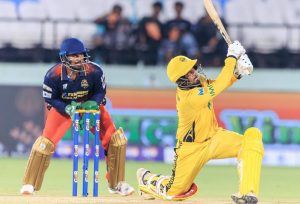
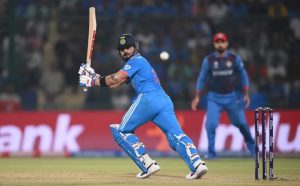
Cricket isn’t just a game of bat and ball – it’s a thrilling spectacle of power, skill, and pure excitement!
One of the most heart-stopping moments in any cricket match is when a batsman connects perfectly and sends the ball soaring into the stands or beyond.
These massive hits, known as sixes, bring fans to their feet and create memories that last a lifetime.
In this article, we’re diving into the world of cricket’s biggest hitters and their most spectacular shots. We’ll explore the top 12 longest sixes ever recorded in cricket history, giving you all the details about these incredible feats of strength and timing.
While we celebrate these power-hitting specialists, it’s worth noting that technical masters like virat kohli total centuries in all format show that cricket excellence comes in many forms.
Whether it’s Kohli’s century-making consistency or Afridi’s jaw-dropping sixes, cricket offers something for every fan to admire.
From stadiums in Australia to packed grounds in India, these monster hits have left spectators in awe and bowlers in despair.
Contents
- 1 Longest Six in Cricket History
- 1.1 Criteria for Selection
- 1.2 Verification of Distances
- 1.3 Match Importance
- 1.4 Player Reputation and Consistency
- 1.5 Crowd and Commentary Reaction
- 1.6 Longest Sixes in Cricket History
- 1.7 Complete List with Measurements
- 1.8 Shahid Afridi – 153 meters
- 1.9 Match Details
- 1.10 How It Happened
- 1.11 Impact and Reaction
- 1.12 Brett Lee – 130 meters
- 1.13 Match Details
- 1.14 The Massive Hit
- 1.15 Why It Stands Out
- 1.16 Martin Guptill – 127 meters
- 1.17 Match Details
- 1.18 The Perfect Strike
- 1.19 Technical Excellence
- 1.20 Liam Livingstone – 122m
- 1.21 Match Details
- 1.22 The Spectacular Shot
- 1.23 Impact on the Match
- 1.24 Corey Anderson – 122 meters
- 1.25 Match Details
- 1.26 The Powerful Strike
- 1.27 Anderson’s Power Hitting Ability
- 1.28 Mark Waugh – 120 meters
- 1.29 Match Details
- 1.30 The Elegant Power
- 1.31 Context and Significance
- 1.32 Yuvraj Singh – 119 meters
- 1.33 Match Details
- 1.34 The Historical Context
- 1.35 Yuvraj’s Six-Hitting Technique
- 1.36 MS Dhoni – 118 meters
- 1.37 Match Details
- 1.38 The Helicopter Launch
- 1.39 What Made It Special
- 1.40 Shahid Afridi – 118m (Second Entry)
- 1.41 Match Details
- 1.42 The Boom Boom Special
- 1.43 Afridi’s Six-Hitting Legacy
- 1.44 Chris Gayle – 116 meters
- 1.45 Match Details
- 1.46 The Universe Boss Unleashed
- 1.47 Gayle’s Six-Hitting Philosophy
- 1.48 Ijaz Ahmed – 108 meters
- 1.49 Match Details
- 1.50 The Unexpected Monster Hit
- 1.51 Why It Stands Out
- 1.52 Adam Gilchrist – 104 meters
- 1.53 Match Details
- 1.54 The Gilchrist Special
- 1.55 Gilchrist’s Impact on Cricket
- 1.56 Impact of Long Sixes on Cricket
- 1.57 Evolution of Power-Hitting in Cricket
- 1.58 Influence on Game Formats and Strategy
- 1.59 Cultural and Commercial Impact
- 1.60 Frequently Asked Questions
- 1.61 Conclusion – Summary of the Top 12 Longest Sixes
- 1.62 What Makes These Sixes Special
- 1.63 The Future of Six-Hitting
- 1.64 The Enduring Appeal
Longest Six in Cricket History

We’ll look at who hit them, how far they traveled, and the stories behind these extraordinary moments. So get ready to be amazed as we count down the twelve most massive sixes ever measured in cricket!
Criteria for Selection
Before we dive into our list of cricket’s longest sixes, let’s understand how these incredible shots made our countdown. We didn’t just pick random big hits – we used careful criteria to ensure this list truly represents the most massive sixes in cricket history.
Verification of Distances
- Reliable measurements: All distances included have been verified by official sources or trusted cricket authorities
- Technology-backed: Modern sixes benefit from advanced tracking systems that provide precise measurements
- Historical context: For older sixes, we’ve cross-referenced multiple reports to confirm distances
Match Importance
- High-pressure situations: Sixes hit during crucial moments carry extra significance
- Tournament stage: Hits during finals or important matches were given special consideration
- Match outcome impact: We considered how the six affected the final result
Player Reputation and Consistency
- Known power-hitters: Players with established reputations for big hitting
- Technical quality: Not just power but proper timing and shot execution
- Career highlights: Whether the six represents a player’s typical ability or was an exceptional moment
Crowd and Commentary Reaction
- Spectator impact: The visible reaction from fans in the stadium
- Broadcaster excitement: How commentators responded to the enormous hit
- Lasting memory: Sixes that are still talked about years later
By using these criteria, we’ve created a trustworthy list that truly represents the most remarkable distance-hitting achievements in cricket history. Now, let’s explore these amazing feats one by one!
Longest Sixes in Cricket History
Cricket fans love nothing more than watching their favorite batsmen clear the boundary with ease. Let’s look at the most massive sixes ever recorded in the sport’s history, ranked by distance.
Complete List with Measurements
Here’s a comprehensive table showing the top 12 longest sixes ever measured in cricket, along with key details about each spectacular hit:
| Rank | Player | Team | Opponent | Distance (metres) | Year |
|---|---|---|---|---|---|
| 1 | Shahid Afridi | Pakistan | South Africa | 153m | 2013 |
| 2 | Brett Lee | Australia | England | 130m | 2005 |
| 3 | Martin Guptill | New Zealand | South Africa | 127m | 2012 |
| 4 | Liam Livingstone | England | Pakistan | 122m | 2021 |
| 5 | Corey Anderson | New Zealand | India | 122m | 2014 |
| 6 | Mark Waugh | Australia | New Zealand | 120m | 1999 |
| 7 | Yuvraj Singh | India | Australia | 119m | 2007 |
| 8 | MS Dhoni | India | New Zealand | 118m | 2009 |
| 9 | Shahid Afridi | Pakistan | Australia | 118m | 2005 |
| 10 | Chris Gayle | West Indies | India | 116m | 2010 |
| 11 | Ijaz Ahmed | Pakistan | India | 108m | 1999 |
| 12 | Adam Gilchrist | Australia | India | 104m | 2004 |
Now let’s explore each of these remarkable shots in greater detail, examining the context and significance of each massive hit.
Shahid Afridi – 153 meters
Shahid Afridi, nicknamed “Boom Boom” for a reason, holds the record for the longest six in cricket history with a truly mind-boggling 153-meter shot.
Match Details
- Date: March 17, 2013
- Tournament: ODI series
- Venue: Johannesburg, South Africa
- Bowler: Ryan McLaren
How It Happened
The conditions in Johannesburg—high altitude and thin air—certainly helped, but nothing takes away from the pure power Afridi generated. When South African pacer Ryan McLaren delivered a length ball, Afridi stepped forward and unleashed a massive swing. The connection was perfect, and the ball soared into the sky, flying far beyond the stadium boundaries.
Impact and Reaction
- Crowd stunned: The South African fans stood in disbelief
- Commentators speechless: The broadcasting team needed several moments to process what they’d just seen
- Social media explosion: Clips of the six went viral immediately
- Bowler’s reaction: McLaren could only smile in acknowledgment of the extraordinary hit
This six remains the gold standard for power hitting in cricket, demonstrating Afridi’s incredible strength and timing. Even today, more than a decade later, no one has come close to matching this phenomenal distance.
Brett Lee – 130 meters
When we think of Brett Lee, we usually picture him terrorizing batsmen with his expressive pace. However, the Australian fast bowler proved he was no slouch with the bat when he hit this enormous six.
Match Details
- Date: 2005
- Tournament: The Ashes series
- Venue: The Gabba, Brisbane
- Bowler: Andrew Flintoff
The Massive Hit
Playing against England during the heated Ashes series, Lee faced a delivery from Andrew Flintoff that was right in his hitting zone. With a clean swing that would make any specialist batsman proud, Lee connected perfectly and sent the ball soaring over the stands. The measured distance of 130 meters makes this the second-longest six ever recorded.
Why It Stands Out
- Bowler batting: Exceptional distance from a player not known primarily for batting
- Ashes context: Added significance due to the intense rivalry
- Technical quality: Perfect execution despite not being a specialist batsman
- Crowd reaction: Australian fans went wild seeing their fast bowler dominate with the bat
These six showcased Brett Lee’s all-around abilities and demonstrated that even bowlers can produce moments of batting brilliance at the highest level.
Martin Guptill – 127 meters
New Zealand’s Martin Guptill is known for his clean striking ability, and his 127-meter six against South Africa in 2012 stands as a testament to his power.
Match Details
- Date: 2012
- Tournament: T20 International
- Venue: Auckland, New Zealand
- Bowler: Lonwabo Tsotsobe
The Perfect Strike
When South African bowler Lonwabo Tsotsobe delivered a ball slightly short of length, Guptill seized the opportunity. With immaculate timing and tremendous power, he connected cleanly and sent the ball flying into the Auckland sky. The shot measured an incredible 127 meters, making it the third-longest six in cricket history.
Technical Excellence
- Balance at the crease: Guptill maintained a perfect body position
- Follow-through: Complete extension of the arms through the shot
- Timing over raw power: While powerful, Guptill’s six was more about perfect timing
- Eye on the ball: Kept his focus on the ball until the moment of impact
This six helped cement Guptill’s reputation as one of New Zealand’s premier power hitters and showcased the perfect technique behind truly massive cricket sixes.
Liam Livingstone – 122m
Liam Livingstone has quickly established himself as one of England’s most exciting power hitters, and his 122-meter six against Pakistan stands as proof of his extraordinary ability.
Match Details
- Date: 2021
- Tournament: T20 International series
- Venue: Headingley, Leeds
- Bowler: Haris Rauf
- Match Context: Livingstone scored a quick 38 runs to help England reach 200
The Spectacular Shot
Facing Pakistan’s express pace bowler Haris Rauf, Livingstone connected with a delivery and sent it straight over the stadium roof. The ball traveled an incredible 122 meters, landing on a nearby rugby pitch outside the cricket ground. This shot wasn’t just about distance – it was about the audacity to take on a fast bowler with such confidence.
Impact on the Match
- Psychological advantage: Created intimidation factor against Pakistan’s bowlers
- Momentum shift: Helped England accelerate their scoring rate
- Result influence: Contributed to England’s 45-run victory
- Fan excitement: Became an instant highlight of the series
As one of the newer entries on this list, Livingstone’s six demonstrates that the art of power hitting continues to evolve in modern cricket, with new players pushing the boundaries of what’s possible.
Corey Anderson – 122 meters
New Zealand’s Corey Anderson burst onto the international scene as a powerful all-rounder, and his 122-meter six against India in 2014 perfectly illustrated his hitting prowess.
Match Details
- Date: 2014
- Tournament: ODI series
- Venue: Napier, New Zealand
- Bowler: Mohammed Shami
The Powerful Strike
When Indian pacer Mohammed Shami delivered a ball in Anderson’s hitting arc, the Kiwi all-rounder unleashed a mighty blow. The ball sailed high into the Napier sky and landed a remarkable 122 meters from the point of impact. What made this six particularly impressive was Anderson’s seemingly effortless swing.
Anderson’s Power Hitting Ability
- Natural strength: Known for his raw power at the crease
- Leverage: Excellent use of height and reach in his batting
- Hand speed: Exceptional bat velocity through the hitting zone
- Confidence: Willingness to take on any bowler regardless of reputation
This six was not an isolated incident but part of Anderson’s reputation for destruction with the bat, especially in limited-overs cricket. Though injuries would later hamper his career, this moment captured the pure hitting ability that made him such an exciting prospect.
Mark Waugh – 120 meters
Mark Waugh was known more for his elegant stroke play than raw power, which makes his 120-meter six against New Zealand in 1999 all the more remarkable.
Match Details
- Date: 1999
- Tournament: ODI series
- Venue: Perth, Australia
- Bowler: Daniel Vettori
The Elegant Power
Facing spinner Daniel Vettori, Mark Waugh stepped down the track and launched the ball with such perfect timing that it traveled an astonishing 120 meters. What makes this six special is that it came from a batsman usually admired for finesse rather than power. The shot combined Waugh’s trademark timing with unexpected strength.
Context and Significance
- Surprising source: Unexpected distance from a technically elegant player
- Against type: Breaking the perception of Waugh as just a touch player
- Perth conditions: Fast outfield and large boundaries make the distance more impressive
- Against a quality spinner: Came against one of New Zealand’s greatest bowlers
These six exemplify how perfect technique combined with timing can produce distances that rival or exceed the shots of more overtly powerful batsmen. It remains one of the most aesthetically pleasing huge sixes in cricket history.
Yuvraj Singh – 119 meters
Few cricketers are more associated with six-hitting than Yuvraj Singh, and his 119-meter maximum against Australia in 2007 stands out even in his highlight-filled career.
Match Details
- Date: 2007
- Tournament: ICC World T20
- Venue: Durban, South Africa
- Bowler: Brett Lee
The Historical Context
This six came during the same tournament where Yuvraj would later hit Stuart Broad for six sixes in an over, though this particular maximum against Brett Lee was actually longer than any in that famous over. Facing one of the world’s fastest bowlers, Yuvraj connected perfectly and sent the ball soaring 119 meters.
Yuvraj’s Six-Hitting Technique
- High backlift: Created potential energy before the stroke
- Still head: Maintained perfect balance at the point of impact
- Full extension: Complete follow-through after contact
- Picked length early: Recognized the delivery quickly, allowing perfect positioning
This six was a perfect encapsulation of Yuvraj’s devastating ability against pace bowling and showed why he was one of the most feared limited-overs batsmen of his generation.
MS Dhoni – 118 meters
MS Dhoni’s helicopter shot is legendary in cricket, and his 118-meter six against New Zealand in 2009 represents the pinnacle of his unique hitting technique.
Match Details
- Date: 2009
- Tournament: ODI series
- Venue: Christchurch, New Zealand
- Bowler: Tim Southee
The Helicopter Launch
When Tim Southee delivered a yorker-length delivery, most batsmen would have done well just to dig it out. Dhoni, however, used his incredible wrist strength and unique technique to whip the ball with a flourish of his famous helicopter shot. The result was spectacular – the ball traveled 118 meters and left everyone watching in awe.
What Made It Special
- Difficult ball to hit: Converted a potential Yorker into a six-hitting opportunity
- Unorthodox technique: Used a uniquely personal batting method
- Captain’s impact: Set an example of aggressive intent for his team
- Crowd pleaser: The helicopter shot was always a fan favorite
This six epitomizes Dhoni’s innovative approach to batting and his ability to generate immense power from seemingly defensive positions. It’s a perfect example of why he was considered one of cricket’s most dangerous finishers.
Shahid Afridi – 118m (Second Entry)
Shahid Afridi makes his second appearance on our list with another massive six – this one measuring 118 meters against Australia in 2005.
Match Details
- Date: 2005
- Tournament: ODI series
- Venue: Perth, Australia
- Bowler: Andrew Symonds
The Boom Boom Special
Facing part-time bowler Andrew Symonds, Afridi spotted an opportunity and launched into a trademark explosive shot. The ball sailed over the boundary with room to spare, traveling 118 meters. While not quite matching his record-breaking 153-meter six, this shot demonstrated Afridi’s consistent ability to clear the boundary by huge distances.
Afridi’s Six-Hitting Legacy
- Consistent power: Regular ability to hit massive sixes
- Fearless approach: Never intimidated by any bowling or situation
- Fan excitement: Crowds always expected big hits when Afridi batted
- Statistical dominance: Finished his career with 476 international sixes
This six was another chapter in Afridi’s legacy as a power hitter and shows why he remains the only player to appear twice on this list of the longest sixes in cricket history.
Chris Gayle – 116 meters
The Universe Boss Chris Gayle is perhaps the most celebrated six-hitter in modern cricket, and his 116-meter six against India in 2010 is a perfect example of his tremendous power.
Match Details
- Date: 2010
- Tournament: T20 International
- Venue: Bridgetown, Barbados
- Bowler: Yusuf Pathan
The Universe Boss Unleashed
When spinner Yusuf Pathan dropped slightly short, Gayle wasted no time in punishing the error. With his characteristic minimal footwork but maximum power, he launched the ball into the Barbados sky. The resulting six measured 116 meters and reinforced Gayle’s reputation as cricket’s premier power hitter.
Gayle’s Six-Hitting Philosophy
- Minimal movement: Economy of motion in his batting stance
- Upper body strength: Tremendous power from chest and shoulders
- Eye for spinners: Particularly severe on spinning deliveries
- Crowd awareness: Known for entertaining fans with big hits
This six was just one of hundreds in Gayle’s career but stands out for its sheer distance. It perfectly represents his approach to batting – see ball, hit ball, and hit it very, very far.
Ijaz Ahmed – 108 meters
Pakistan’s Ijaz Ahmed may not be as widely remembered as some other players on this list, but his 108-meter six against India in 1999 deserves its place in cricket history.
Match Details
- Date: 1999
- Tournament: Test match
- Venue: Mohali, India
- Bowler: Anil Kumble
The Unexpected Monster Hit
What makes Ijaz’s six particularly noteworthy is that it came in a Test match, a format not typically associated with huge hitting. Facing legendary spinner Anil Kumble, Ijaz stepped out of his crease and connected perfectly, sending the ball a massive 108 meters. This six was especially significant coming in the high-pressure environment of an India-Pakistan Test.
Why It Stands Out
- Test match context: Rare to see such hitting in the longer format
- Against quality spinner: Came against one of India’s greatest bowlers
- Rivalry intensity: Added significance in an India-Pakistan clash
- Technical quality: Perfect execution against a world-class bowler
This six demonstrates that massive hitting has a place even in Test cricket when the situation calls for it and showcases Ijaz’s underappreciated power.
Adam Gilchrist – 104 meters
Adam Gilchrist revolutionized the role of the wicketkeeper-batsman, and his 104-meter six against India in 2004 perfectly illustrates his attacking prowess.
Match Details
- Date: 2004
- Tournament: ODI series
- Venue: Sydney Cricket Ground
- Bowler: Irfan Pathan
The Gilchrist Special
When young Indian pacer Irfan Pathan delivered a ball in Gilchrist’s hitting zone, the Australian wicketkeeper-batsman unleashed a ferocious pull shot. The ball sailed over the midwicket boundary and was measured at 104 meters – an exceptional distance for the time and venue.
Gilchrist’s Impact on Cricket
- Revolutionary role: Changed expectations for wicketkeeper-batsmen
- Opening aggression: Set the tone for Australia’s innings consistently
- Mental impact: Created pressure on bowlers from the first over
- Technical innovation: Combined conventional technique with modern power
This six exemplifies why Gilchrist was such a feared opponent – he could take the game away from teams in a matter of overs with his aggressive approach and clean hitting.
Impact of Long Sixes on Cricket
The spectacular sixes we’ve explored haven’t just been isolated moments of brilliance – they’ve helped transform cricket in several important ways.
Evolution of Power-Hitting in Cricket
The ability to hit massive sixes has evolved dramatically over the years due to several factors:
- Advanced training methods:
- Specialized strength and conditioning programs
- Power-hitting specific drills
- Video analysis of the six-hitting technique
- Explosive strength development exercises
- Equipment innovations:
- Lighter, more powerful bat designs
- Larger sweet spots
- Improved materials technology
- Custom bat weights and balances
- Batting technique changes:
- Greater emphasis on bat speed
- More aggressive stance and grip
- 360-degree hitting approaches
- Specific training for range-hitting
Today’s cricketers are physically stronger and more technically equipped to hit sixes than their predecessors. Modern training methods specifically target the muscles and movements needed for power hitting.
Influence on Game Formats and Strategy
The ability to hit long sixes has dramatically influenced how cricket is played:
- T20 revolution:
- Teams now build strategies around power hitters
- Scoring rates have increased dramatically
- Boundary sizes have been standardized
- “Six-hitting specialists” are highly valued
- Batting order innovations:
- Power hitters strategically placed throughout lineups
- “Finishers” specifically selected for six-hitting ability
- Opening batsmen are expected to hit more sixes
- Even tail-enders now practice six-hitting
- Bowling adaptations:
- Development of specialized “death bowling” techniques
- Wide yorkers and slower balls to counter big hitters
- Field placement innovations
- Psychological skills to handle being hit for sixes
The strategic importance of six-hitting capability has changed team selections, match tactics, and even how cricket grounds are designed and maintained.
Cultural and Commercial Impact
Big sixes have also transformed cricket’s appeal and commercial prospects:
- Fan engagement:
- Sixes create memorable moments for spectators
- Social media sharing of massive hits
- Higher television ratings during power-hitting displays
- Increased attendance at T20 games
- Marketing opportunities:
- Six-hitting contests and challenges
- Boundary size promotions and sponsorships
- Power-hitting specialists featured in advertisements
- Six distance measuring technology as marketing tools
- Global appeal:
- Makes cricket more accessible to new audiences
- Creates highlight-reel moments for international promotion
- Simplified excitement for casual fans
- Attracts younger demographics to the sport
The ability to hit massive sixes has become a valuable commercial asset for cricket, helping the sport compete with other entertainment options in a crowded marketplace.
Frequently Asked Questions
- Who has hit the longest six in cricket history?
Shahid Afridi holds the record for the longest six in cricket history, hitting a massive 153-meter six against South Africa in 2013. This remarkable shot has stood as the benchmark for over a decade.
- Has any bowler hit a six over 100 meters?
Yes, Brett Lee of Australia hit a 130-meter six against England in 2005, making him the bowler with the longest six in cricket history. This shows that even players primarily known for bowling can produce extraordinary power hits.
- Which cricket stadium has seen the most 100+ meter sixes?
The Perth Stadium in Australia has witnessed the most 100+ meter sixes due to its fast outfield, favorable conditions, and large boundaries. The high altitude and thinner air help the ball travel further.
- Does modern bat technology help players hit longer sixes?
Yes, definitely. Modern cricket bats have larger sweet spots, are lighter yet more powerful, and are designed specifically to maximize distance. However, player strength, technique, and timing remain the most important factors.
- Can women cricketers hit sixes over 100 meters?
While no women’s cricket six has yet been officially measured at over 100 meters, players like Deandra Dottin and Alyssa Healy have hit massive sixes that approach this distance. As women’s cricket continues to evolve, 100+ meter sixes may become more common.
- Do cricket balls travel further at higher altitudes?
Yes. The thinner air at higher altitudes offers less resistance, allowing cricket balls to travel further when hit with the same force. This is why venues like the Wanderers in Johannesburg (altitude 1,753 meters) often see longer six distances.
- Has any player hit a six out of the stadium in a World Cup match?
Yes, several players have hit sixes that have left the stadium entirely during World Cup matches, including MS Dhoni in the 2011 World Cup final and Chris Gayle multiple times in the 2015 World Cup.
- What training methods do batsmen use to increase six-hitting distance?
Modern batsmen use specialized strength training focusing on core and forearm strength, rotational power exercises, and specific technical drills designed to maximize bat speed and optimal contact. Many also use analytics to identify their optimal hitting zones.
- Are six distances measured the same way in all stadiums?
No, measurement methods can vary. Modern stadiums use advanced tracking technology like Hawk-Eye and ball-tracking radar, while older measurements relied on estimations. This can create some inconsistency when comparing distances across eras.
- Which current active player is most likely to break the longest six record?
Players like Andre Russell, Liam Livingstone, and Nicholas Pooran have the raw power and technique to potentially break the record. The combination of modern training methods and their natural strength gives them a chance to surpass Afridi’s mark.
Also Check:
Conclusion – Summary of the Top 12 Longest Sixes
As we’ve explored the twelve longest sixes in cricket history, we’ve witnessed some truly extraordinary feats of power, timing, and skill.
From Shahid Afridi’s record-shattering 153-meter blast to Adam Gilchrist’s 104-meter pull shot, each of these massive hits represents a special moment in cricket that left fans awestruck.
What Makes These Sixes Special
These twelve remarkable sixes stand out not just for their distances but for what they represent:
- Technical excellence: Perfect execution of cricket’s fundamentals
- Raw power: Extraordinary physical strength and bat speed
- Match context: Many came at crucial moments in important games
- Diverse sources: From dedicated hitters to elegant technicians to bowlers
The variety of players who appear on this list – power specialists like Afridi and Gayle, technically sound batsmen like Waugh, wicketkeeper-batsmen like Gilchrist and Dhoni, and even fast bowlers like Brett Lee – demonstrates that the ability to hit massive sixes comes in many forms.
The Future of Six-Hitting
As cricket continues to evolve, we can expect to see:
- Even more specialized training for power-hitting
- Further innovations in bat technology (within legal limits)
- New techniques specifically designed for maximum distance
- Potentially even longer sixes as players push boundaries further
While Afridi’s 153-meter six has stood as the record for over a decade, the next generation of power hitters may well surpass even this remarkable distance as training methods and techniques continue to advance.
The Enduring Appeal
What makes these massive sixes so captivating is that they represent cricket at its most spectacular and accessible. Even those new to the sport can appreciate the raw excitement of seeing a small ball sent soaring into the stands or beyond. These moments transcend technical understanding – they’re pure sporting drama.
As fans, we’ll continue to rise to our feet when a batsman connects perfectly and sends the ball into orbit. The twelve sixes we’ve explored here represent the current benchmark, but cricket’s story continues to be written, and new chapters of six-hitting excellence surely await in the future.