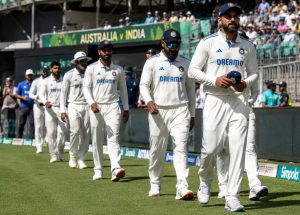
The players shake hands. The trophy ceremony begins. Then the announcement everyone debates.
Man of the Match.
One name. One player was recognized above all others.
Sometimes, universal agreement exists. A century that sealed victory.
A bowling performance that destroyed the batting order.
But often, arguments start immediately. Fans question the choice.
Social media erupts. Different people saw different heroes.
This raises the obvious question: who decides Man of the Match in cricket?
No universal answer exists. The system changes based on the competition format.
International tournaments operate differently from domestic leagues. Authority shifts. Criteria adjust. Methods vary.
Contents
- 1 Who Decides Man of the Match in Cricket?
- 1.1 Understanding Decision-Making Authority in Cricket
- 1.2 Performance Evaluation Criteria Applied Universally
- 1.3 How Format Differences Alter Selection Priorities?
- 1.4 Winning Team Bias and Rare Exceptions
- 1.5 Why Selection Debates Never End?
- 1.6 Digital Era’s Fan Voting Innovation
- 1.7 Historical Evolution of Selection Systems
- 1.8 FAQs
- 1.9 Conclusion
Who Decides Man of the Match in Cricket?
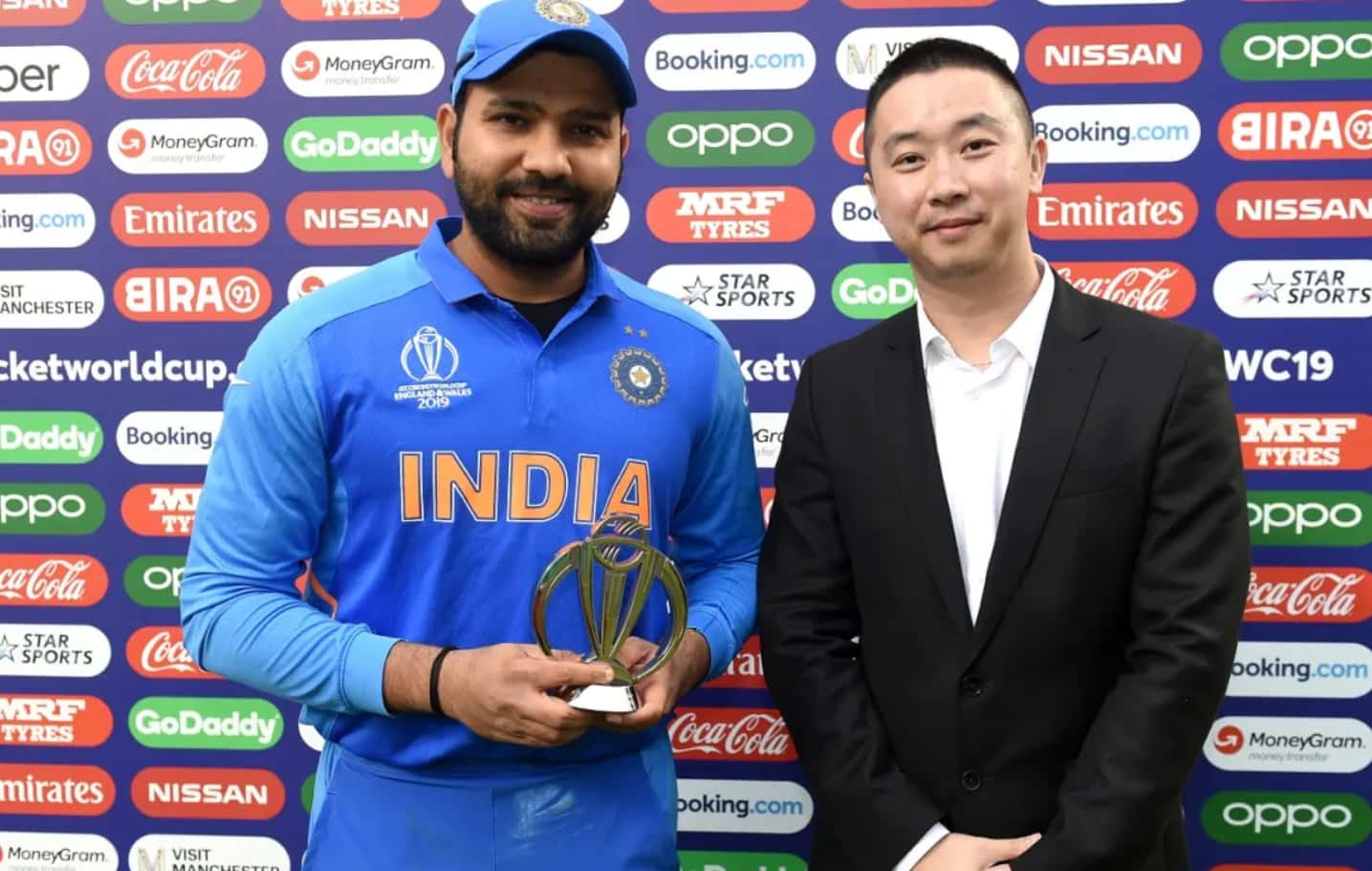
This article breaks down who makes these decisions, what factors guide their choices, and why controversy follows so many selections.
Understanding Decision-Making Authority in Cricket
Man of the Match selection operates through different structures depending on who organizes the competition.
No single cricket authority governs all awards.
ICC Tournament Structure
World Cups, T20 World Cups, and Champions Trophy events use formal expert panels.
These committees include former international players with significant experience.
Panel members observe matches from commentary positions or dedicated viewing areas.
Post-match discussions follow, where members share perspectives on standout performances.
Consensus often emerges naturally. When disagreement persists, voting determines the winner.
Multiple expert voices reduce bias. A committee of three former captains reaching an agreement creates legitimate selections that withstand scrutiny.
Bilateral Series Approach
Matches between two countries outside ICC control typically operate under broadcaster authority.
The television network purchasing rights sponsors the Man of the Match award and controls selection.
Broadcasters don’t decide unilaterally. They consult on-air commentary teams consisting of former players and analysts.
These experts watched every delivery, understood tactical shifts, and recognized momentum changes.
Commentary input combined with broadcast judgment determines selections in most bilateral cricket.
Franchise League Methods
T20 competitions like the IPL, Big Bash League, and Caribbean Premier League employ hybrid systems. They blend expert assessment with fan participation.
Implementation varies by league. Some split the authority 50-50 between expert committees and public voting. Others assign 70% weight to experts and 30% to fan votes. Commercial partnerships sometimes influence these ratios.
This dual approach serves competing goals. Expert judgment maintains credibility. Fan voting increases engagement and platform usage.
Match Official Contributions
Umpires and match referees provide contextual input without direct voting authority in most competitions.
Their ground-level observations add valuable perspective.
Officials see tactical adjustments that spectators miss. They notice field placement changes.
They understand bowling strategy shifts. They recognize player effort from unique angles.
Tournaments lacking broadcast control sometimes grant officials formal voting power.
Major international cricket typically limits them to advisory roles.
Performance Evaluation Criteria Applied Universally
Different selection structures share common evaluation frameworks. These criteria appear consistently regardless of who holds decision authority.
Direct Match Impact Assessment
Selectors ask a fundamental question: did this performance determine the result?
They mentally remove the player’s contribution and evaluate whether outcomes change. A bowler successfully defended 10 runs in the final over. A batsman scored 38 in a chase of 155 when teammates collapsed.
Performances directly creating victories outrank impressive statistics compiled when results were already secure.
Pressure Context Evaluation
Match situations carry different pressure levels. Scoring 85 in the first innings while posting 290 differs significantly from scoring 55 while chasing 175 in the 47th over.
Claiming 3 wickets defending 135 matters more than claiming 4 wickets defending 270. Game circumstances determine contribution value.
High-pressure performances receive amplified consideration during evaluation.
All-Round Contribution Recognition
Players contributing across multiple disciplines create compelling cases. Scoring 48 runs plus claiming 2 crucial wickets demonstrates varied influence.
Moderate numbers in both batting and bowling can prevail when contributions arrive at decisive moments. A 32-run partnership followed by breaking the opposition’s dangerous stand merits serious attention.
Complete match involvement outweighs the specialist brilliance of comparable magnitude.
Economic Bowling Assessment
Limited-overs formats value run prevention equally with wicket-taking.
A T20 spell of 2/14 in four overs might beat 4/32 in four overs, depending on match flow.
Dot balls generate pressure. Economy rates below six runs per over during death phases shift momentum independent of dismissals.
A complete bowling evaluation considers wickets and economy together.
Critical Fielding Moments
Fielding alone rarely wins awards. But when candidates show similar batting or bowling numbers, fielding determines selections.
A spectacular catch dismissing the set batsman. A run-out ending a dangerous partnership. Boundary saves preventing 20 runs collectively.
These decisive moments influence tight selection decisions.
How Format Differences Alter Selection Priorities?
Cricket’s three main formats emphasize different skills. Evaluation criteria adjust accordingly.
Test Cricket’s Extended Timeline
Five-day matches enable a comprehensive assessment. Selectors evaluate sustained performance rather than isolated brilliance.
Batsmen scoring consistently across multiple innings. Bowlers maintain pressure over several days while claiming wickets in both innings. Sustained excellence matters more than explosive moments.
Contributions spanning multiple match phases receive priority.
ODI’s Balanced Skill Requirements
50-over cricket creates distinct phases needing varied abilities. Platform building. Middle-order acceleration. New-ball bowling. Death-over defense.
Winners typically influenced second-innings outcomes decisively. The batsman whose 82 established an imposing target. The bowler whose middle-over breakthroughs destroyed the chase.
Both setup work and finishing ability receive evaluation.
T20’s Explosive Impact Focus
Compressed matches mean brief periods determine results. Striking at 190 for three overs. Bowling maiden overs under extreme pressure.
Strike rates above 160 and economy rates below six per over outweigh total runs or wickets. A 22-ball 48 beats a 32-ball 65. A 2/16 spell beats 3/25.
Game-changing bursts in minimal time win T20 recognition.
Winning Team Bias and Rare Exceptions
Statistical analysis shows roughly 90% of awards go to winning team members. Clear reasoning supports this pattern.
Why Victory Matters for Recognition?
Winning validates performance significance. A 5-wicket haul in defeat failed to secure victory. A century in a lost chase didn’t complete the job.
Result-focused evaluation favors players whose contributions genuinely affected outcomes rather than merely producing impressive individual statistics.
When Losing Performances Win Awards?
Extraordinary circumstances occasionally override team results. Performances must completely dominate all match discussion despite defeat.
Taking 7 wickets while teammates offered no support. Scoring 115 not out chasing 210 while nine partners combined for 40 runs. These exceptional displays transcend results.
The threshold sits extremely high. Good losing performances don’t qualify. Only truly exceptional ones break through.
Why Selection Debates Never End?
Subjective evaluation guarantees ongoing controversy. Specific factors repeatedly generate backlash.
Multiple Deserving Performances
Close matches produce several heroes. The opener establishes foundations. The finisher delivers under pressure. The bowler is claiming critical wickets.
Choosing one necessarily overlooks others. Fans backing different candidates find justification for their preference, ensuring debates regardless of official selection.
Statistical Interpretation Differences
Numbers lack situational context. A strike rate of 135 might represent crucial acceleration or comfortable scoring depending on circumstances.
Similarly, a 3-wicket spell looks identical whether wickets fell early under pressure or late with outcomes decided. Context-aware selectors clash with statistics-focused fans.
Commercial Consideration Suspicions
Broadcaster-controlled awards face skepticism about commercial influence. Star players attract viewers. Controversial selections generate engagement.
Patterns suggesting non-performance factors influenced choices undermine credibility. Fans detect apparent inconsistencies in selection logic.
Popularity Versus Performance
Fan voting introduces popularity dynamics. Players with massive social followings win despite modest performances. Team fanbase size determines outcomes over contribution quality.
This transforms legitimate recognition into popularity measurements.
Digital Era’s Fan Voting Innovation
Mobile technology enabled new participation models in modern T20 leagues.
Voting Mechanics Explained
Apps allow real-time voting during matches’ closing stages. Candidate profiles display with statistics and images. Voting windows close shortly after final deliveries.
League rules determine whether fan votes decide entirely or contribute a percentage-based vote alongside expert panels.
Engagement Advantages
Voting features dramatically improve interaction metrics. App adoption increases. Social media activity multiplies. Leagues collect data revealing which players drive fan engagement.
For participants, voting creates personal stakes in recognition beyond team allegiance.
Legitimacy Challenges
Pure fan voting compromises award integrity. Performance measurement gets replaced by popularity measurement. International stars consistently defeat deserving local players.
Manipulation possibilities exist through automated voting or coordinated campaigns. Geographic location creates voting advantages based on time zones.
Award credibility as performance recognition diminishes proportionally.
Historical Evolution of Selection Systems
Man of the Match processes have changed significantly across cricket’s modern era.
Early Informal Recognition
Initially, match organizers or sponsors simply chose players. No structured criteria existed. Decisions lacked explanation or accountability.
Limited media coverage and minimal fan scrutiny made informal approaches workable.
Broadcast Professionalization
Television coverage brought expert analysis and commentary. Former players became selectors. Decisions gained supporting narratives explaining the contribution’s significance.
The process professionalized while centralizing authority with broadcasters.
Digital Participation Era
Mobile apps and social platforms enabled mass fan involvement. Leagues experimented with blending expert judgment and public input.
Contemporary systems balance legitimacy through expert panels with engagement through fan participation. Optimal combinations remain debated.
FAQs
- Who holds final authority over Man of the Match in international cricket?
ICC tournaments use expert panels of former international cricketers who vote after discussing performances collectively. Bilateral series between countries typically assign authority to broadcasting networks holding rights, who consult expert commentary teams before decisions. Authority structure varies based on whether ICC directly controls the competition.
- What single criterion matters most in Man of the Match selection?
Match impact on results dominates evaluation. Selectors assess whether outcomes would differ without this player’s contribution. Performances directly determining winners receive priority over impressive statistics achieved during non-critical match phases when results were effectively decided.
- How frequently do losing team players win Man of the Match?
Approximately 10% of awards go to losing team members. These require extraordinary individual displays that dominated all match discussion despite team defeat. Examples include bowlers claiming 7 wickets with no support or batsmen scoring brilliant centuries during collapsed chases. Thresholds remain extremely high.
- Why do broadcasters control Man of the Match in bilateral series?
Broadcasting networks purchasing rights sponsor Man of the Match awards. Sponsorship includes selection authority. They consult expert commentary teams who watched comprehensively and analyzed tactics throughout. This model dominates bilateral international cricket outside ICC tournament control.
- How does T20 league fan voting function?
Mobile applications enable viewer voting during matches’ final overs. Candidate profiles display with basic statistics and images. Voting closes shortly after completion. Some leagues make fan votes decisive while others combine public input with expert panel assessments at predetermined ratios like 60-40 or 70-30.
- Can all-round performances guarantee Man of the Match selection?
All-round contributions create strong cases but don’t guarantee selection. A player excelling with bat and ball must still deliver greater match impact than specialist performances. Moderate batting plus moderate bowling can lose to exceptional specialist displays. Context and timing determine whether all-round excellence wins recognition.
Conclusion
Who decides Man of the Match in cricket? Authority depends entirely on the competition format and organizing body.
ICC tournaments employ expert panels of former internationals. Bilateral series assign authority to broadcasting networks that consult commentary teams. Franchise T20 leagues use hybrid systems combining expert judgment with fan voting.
How is Man of the Match decided? Through evaluating match impact, pressure performance, all-round contributions, and result influence. The fundamental assessment asks whether removing this player’s contribution changes outcomes.
Subjectivity persists despite systematic approaches. Multiple worthy candidates ensure continuing debates.
Different observers value different contribution types. No formula converts performances into automatic recognition.
These debates enrich cricket culture. Single matches generate multiple compelling stories.
Recognizing one player doesn’t diminish others’ efforts. Fan discussions continue because excellent performances deserve acknowledgment even without awards.
That ongoing conversation reflects cricket’s complexity and depth.